Blog » Stainless Steel & Alloy Steel Pipes | 2PE 3PE coated pipe | Pipe Fittings - Pipeline Technology R&D Factory

Square/Rectangular/ERW Welded/Galvanized/Spiral/LSAW/Seamless/Line/OCTG Pipe, etc. Manufacturer & Supplier, Customizable and ODM & OEM Services...
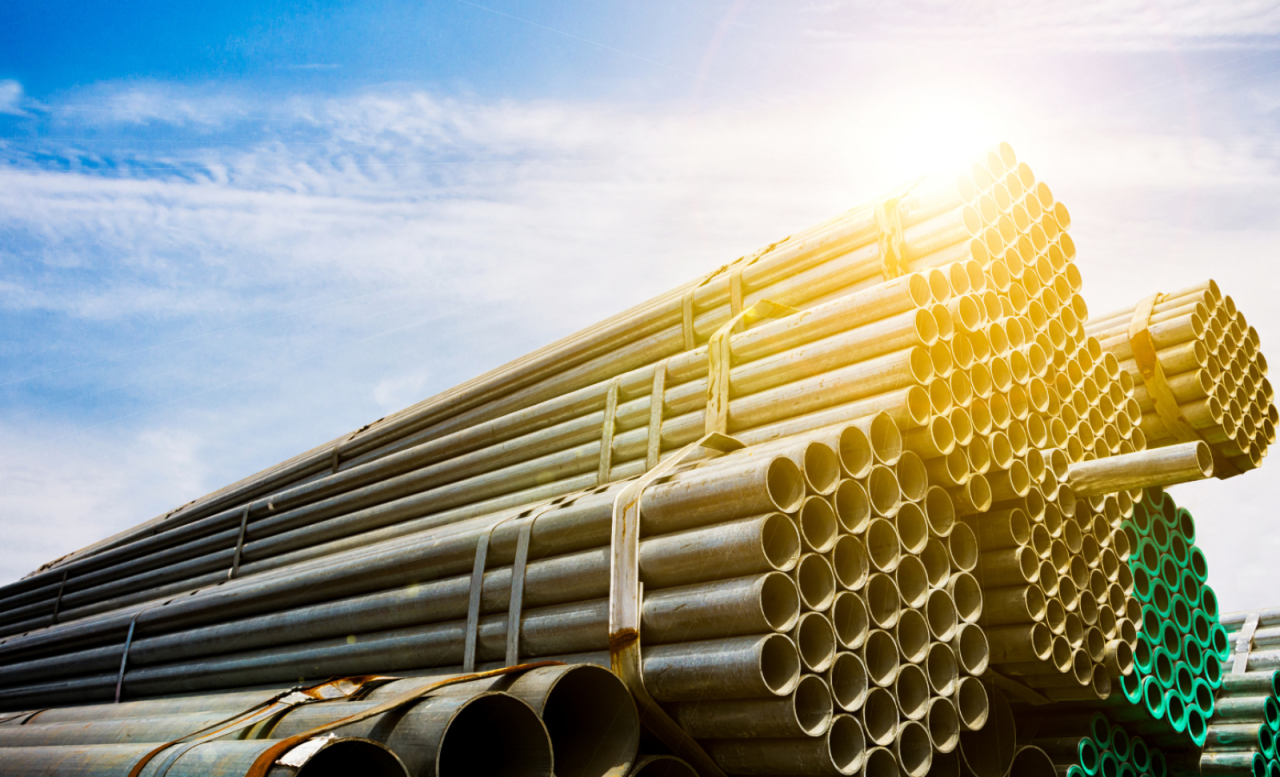
Welding-Technology-of-Natural-Gas-Pipeline-1280x697.jpg

Introduction

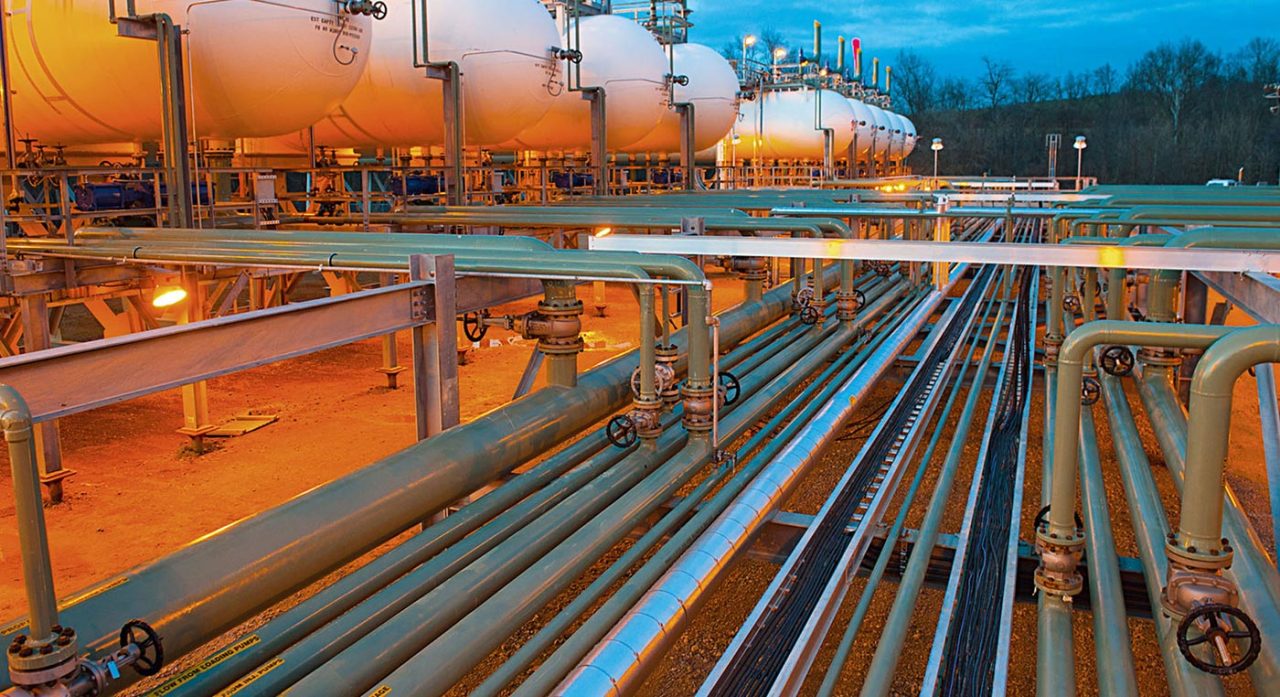
Natural gas pipelines play a critical role in safely transporting vast volumes of this important energy resource over long distances from production fields to consumers. As an essential infrastructure, gas pipelines require sophisticated design and construction to withstand pressures up to 1400 psi for decades. However, one of the most important yet intricate operations is welding - the process of joining pipes together in a seamless, gas-tight fashion. This comprehensive report examines various welding technologies and methods used in natural gas pipelines, exploring their advantages/limitations, quality control aspects, and future prospects to ensure reliable transport of clean fuel into the future.

Welding Processes
A variety of welding processes have been developed and applied within the natural gas pipeline industry. The most prevalent include:

Shielded Metal Arc Welding (SMAW): Manual process using a consumable electrode within a shielding gas to create welds. Used for small diameter gathering lines but labor intensive. Tends to produce higher amounts of slag inclusions.

Gas Metal Arc Welding (GMAW): Semiautomatic process using a continuous wire feed and shielding gas. Operates at high deposition rates well suited for larger diameter pipelines. Requires less operator skill but quality depends on multitude of variables.

Flux-Cored Arc Welding (FCAW): Similar to GMAW but uses a special electrode containing powdered flux. Self-shielded variant (FCAW-G) provides good penetration in all positions. Prone to lack-of-fusion defects if parameters aren’t optimized.

Submerged Arc Welding (SAW): Highly productive automatic process using granular flux that melts and shields the weld puddle. Primary method for large diameter trunkline girth welds. Tolerates less-than-ideal conditions but creates more slag residual.

Electrogas Welding (EGW): Unique process using an arc and additional high velocity shielding gas for exceptional weld quality. Used where critical applications demand highest strength and fewest imperfections. Relatively new with higher capital costs.

Each process trades productivity for quality, and meeting natural gas pipeline inspection standards requires optimal procedure qualification. Ongoing research explores advanced variants like pulsed current GMAW for even smoother welds.

Welding Procedures and Consumables

Developing standardized welding procedures involves methodically qualifying parameters like current, voltage, wire feed speed, shielding gas composition, and tracking machine/operator performance. Major codes like CSA Z662 and ASME B31.8 provide guidance, while individual pipeline operators further refine in-house specifications.
Weld consumables must also undergo rigorous qualification examining mechanical properties and resistance to hydrogen embrittlement across the wide operating range from deep subzero to near critical temperatures. Approved filler metals include:

  • Gas-shielded flux-cored wires for improved deposition rates in all positions
  • Low hydrogen electrodes to minimize weld metal porosity and cracking susceptibility
  • Nickel-alloy wires for sour gas or high-pressure applications approaching specified minimum yield strengths

Strict traceability ensures each heat lot satisfies charpy impact and chemical composition targets specified in acceptance standards. Overall, robust procedure and consumable qualification underpins welding reliability.

Welding Variables and Control
In the field, numerous variables influence weld quality that operators constantly monitor and control. Paramount is joint fit-up, with proper root gap sizing and root face preparation techniques highly contributing to sound welds. Back purge requirements for gas-shielded processes reduce porosity as well. Control also means:

  • Strict temperature controls during multi-pass welding to prevent hydrogen-assisted cracking
  • Interpass cleaning methods between layers like wire brushing, grinding to remove slag
  • Bevel preparation accuracy on pipe ends to produce full joint penetration
  • Shielding gas purity and flow rates
  • Voltage, current and travelers’ speed adjustments due to joint fit-up difficulties

On modern pipelines, automated and semi-automatic GMAW/FCAW machinery incorporates extensive sensing/feedback loops to maintain parameter consistency pipe-to-pipe. This aids in achieving a reproducible 95%+ quality level across hundreds of girth welds.

Welding Quality Control
Given risks associated with gas pipeline failures, verifying weld integrity represents a critical quality control function. Operators utilize a multi-stage approach combining non-destructive and destructive tests:

  • Visual inspection examines weld surface and interface for defects
  • Dye-penetrant testing of root and final pass evaluates surface-connected porosity
  • Ultrasonic testing checks for laminar imperfections, lack of fusion, and cracks
  • Radiographic testing detects sub-surface flaws
  • Hydrotesting subjects welds to pressures well above operation to induce failure
  • Tensile testing destructive samples verifies minimum strength exceeds code
  • Macroetching examines fusion characteristics under microscopy

Data from these techniques informs corrective actions, leads to continual process refinement, and helps qualifying new mainline fusion-welded joints. emerging techniques like phased array UT and digital radiography also improve sensitivity and automation. Overall, a culture of rigorous quality assurance ensures natural gas pipelines fulfill their critical role safely for decades to come.

Future Outlook
While pipelines remain the most efficient method for bulk natural gas transport, research explores new frontiers to strengthen this vital energy infrastructure. Areas attracting focus include:

  • Micro-alloyed and low-carbon novel high-strength steels to smaller diameter and enhanced design pressures
  • Advanced automated and robotic welding platforms for deeper water deployments and remote field repairs
  • Hydrogen embrittlement resistant aluminum and plastic composite pipe development
  • New non-destructive techniques like acoustic emission monitoring and guided ultrasound waves
  • Real-time digital weld monitoring coupled with closed-loop controls for defect elimination
  • In-the-ditch automated inspection gauges propelled internally via gas pressure
  • Expansion of super-alloys and dissimilar metal joining techniques for critical stations

Constant evolution of welding technologies, materials and inspection strategies will help natural gas pipelines safely meet 21st century energy demands for cities, industries and homes across continents. Robust regulations, training, and partnership across industries sustains this progress.

Conclusion
As the primary construction method joining hundreds of miles of steel pipe infrastructure transporting a key fuel, welding stands as a cornerstone technology within the natural gas pipeline industry. However, its repeatable and reliable execution requires diligent standardization, control, and quality assurance measures. This report provides a comprehensive overview of key welding processes, critical variables, testing protocols and advancement areas that form the foundation for these pipelines to endure decades of hazardous duties. Continued cooperation across disciplines will strengthen welding capabilities to support tomorrow’s clean energy needs.
 

Related Posts
What is the difference between black stee pipe and galvanized steel pipe?
Wholesale Manufacturer Steel Iron Pre Hot DIP Galvanized Pipe for Greenhouse

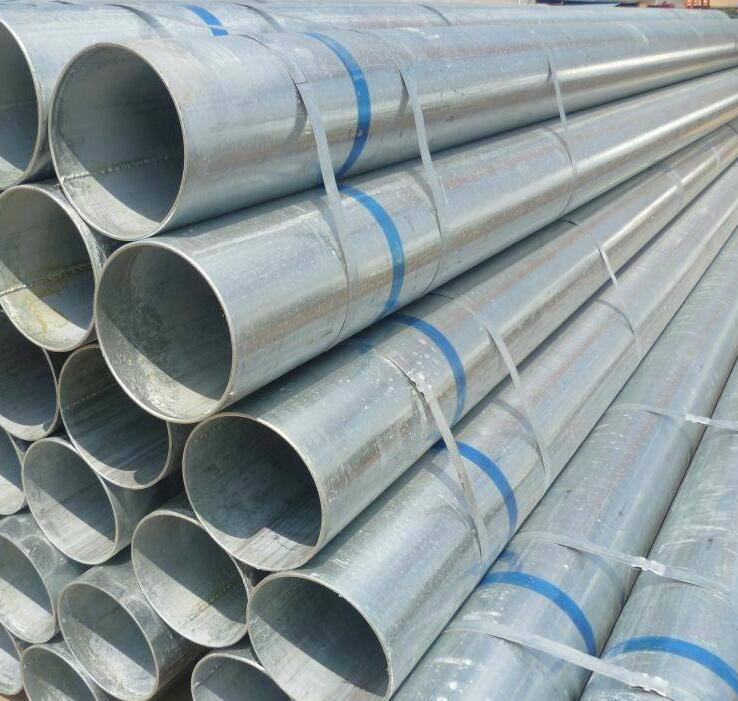
Black Steel Pipe and Galvanized Steel Pipe are both types of steel pipes used in various applications, and their main difference lies in their coating and resistance to rust and corrosion.
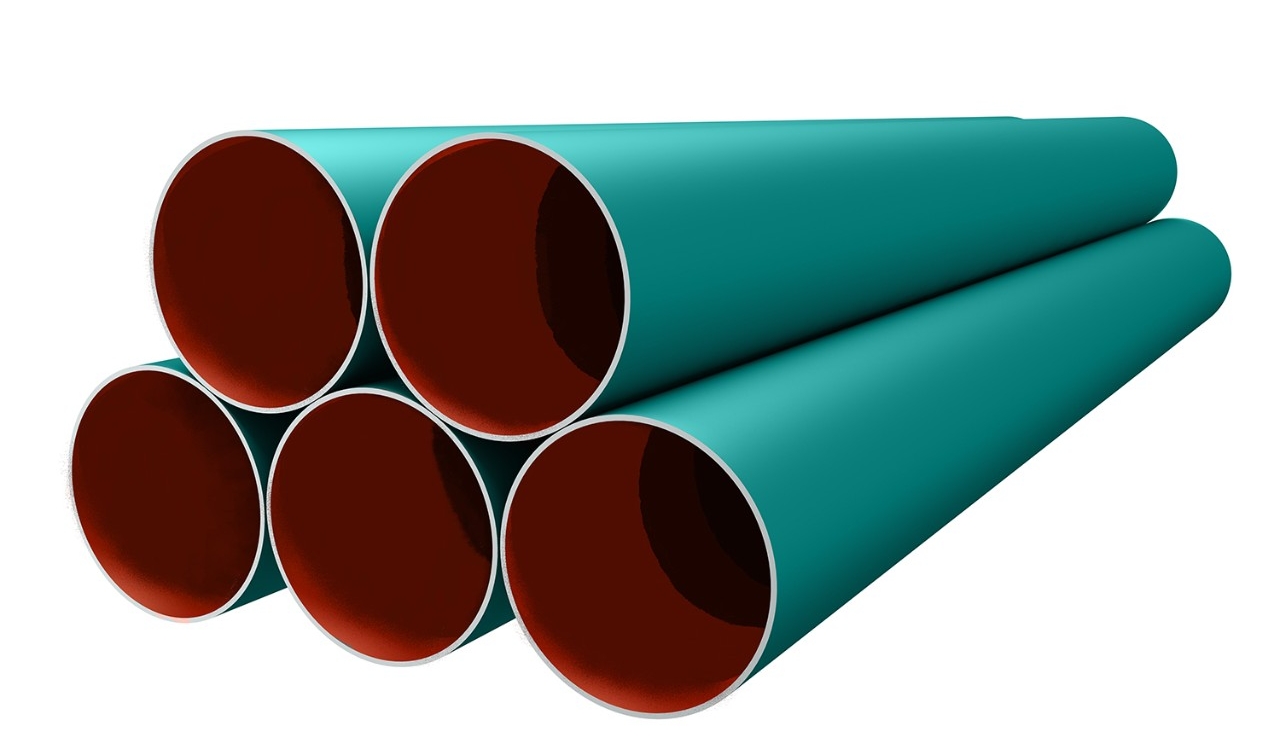
What are the advantages of using a double-layer FBE coating system compared to a single-layer coating?

A hard, mechanically strong top coating for all fusion bonded epoxy pipeline corrosion protection coatings. It is applied to the base coating to form a tough outer layer that is resitant to gouge, impact, abrasion and penetration. abter steel is specifially designed to protect the primary corrosion coating from damage during pipeline directional drilling applications, bored, river crossing and installation in rough terrain.
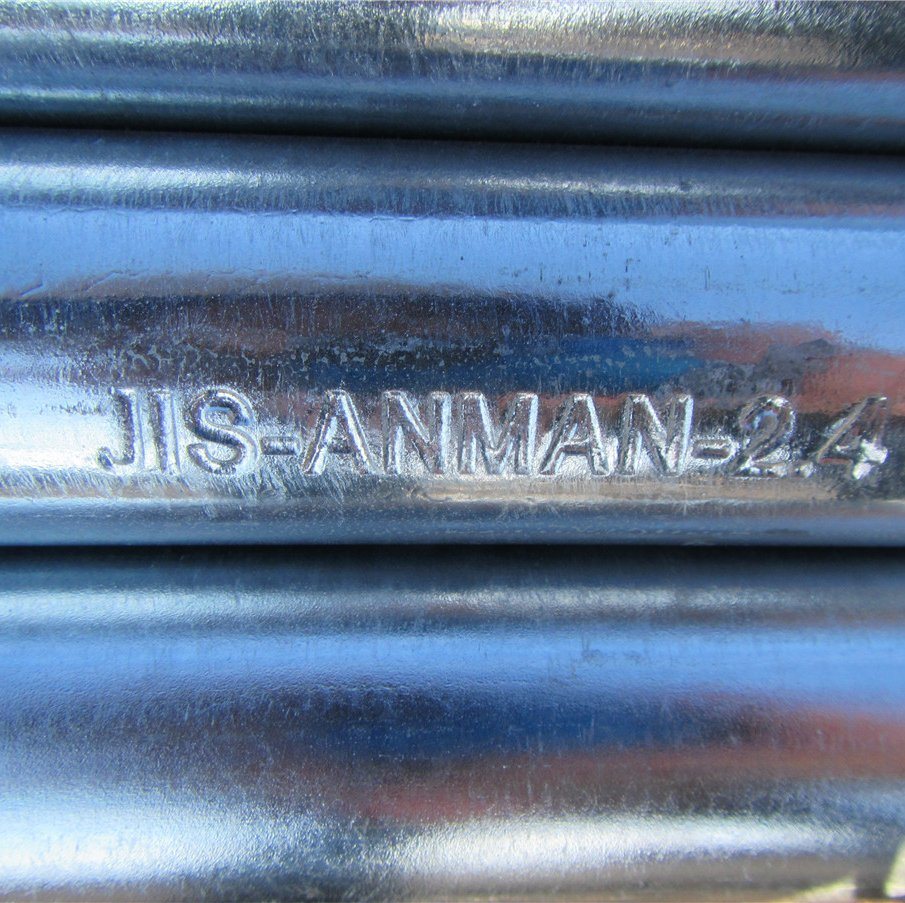
steel pipe standard comparison table - JIS | ASTM | DIN | GB steel pipe
Wholesale Manufacturer Steel Iron Pre Hot DIP Galvanized Pipe for Greenhouse

Brand new Chinese GB Japanese JIS American ASTM German DIN steel pipe standard comparison table
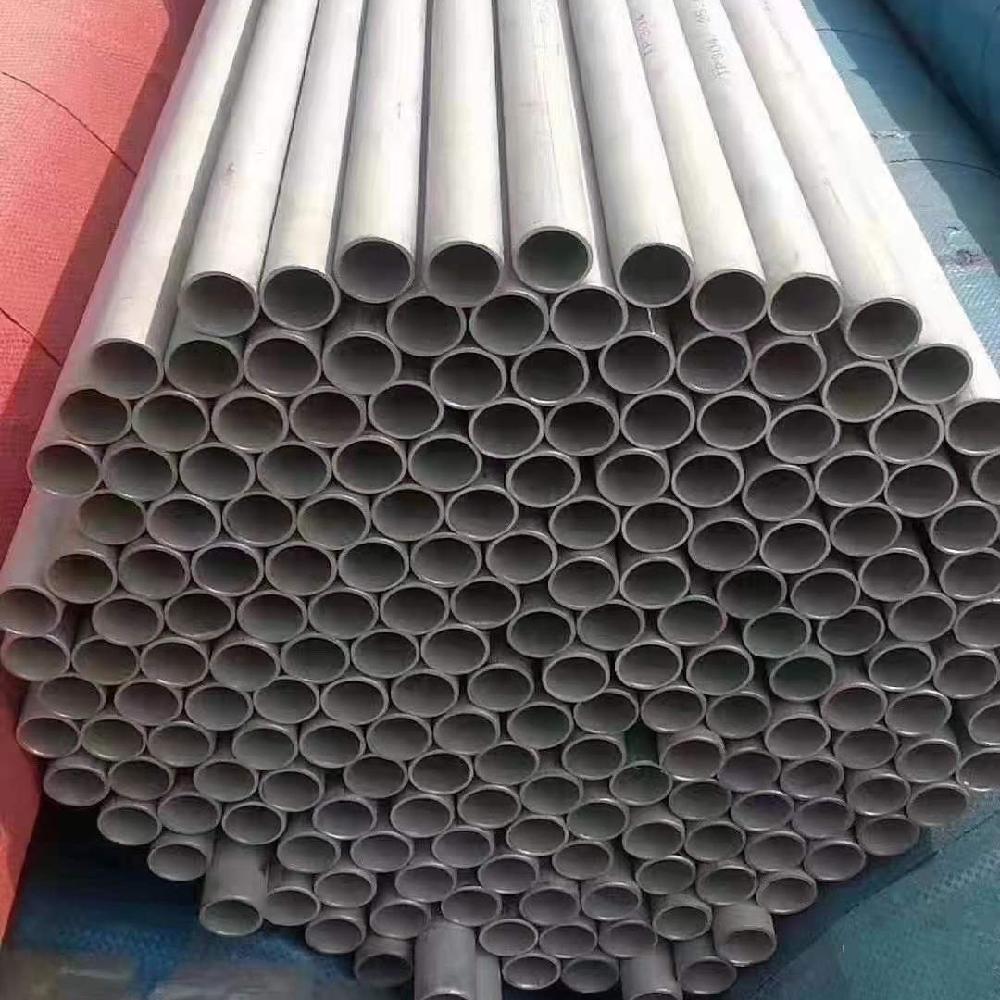
Connecting Stainless Steel Pipe to Carbon Steel Pipe Fittings

In industrial and residential applications, it is frequently necessary to join different types of metals. These connections can be between stainless steel and carbon steel, two of the most commonly used materials in piping systems. This article will walk you through the process of connecting stainless steel pipe to carbon steel pipe fittings, the challenges involved, and how to overcome them.
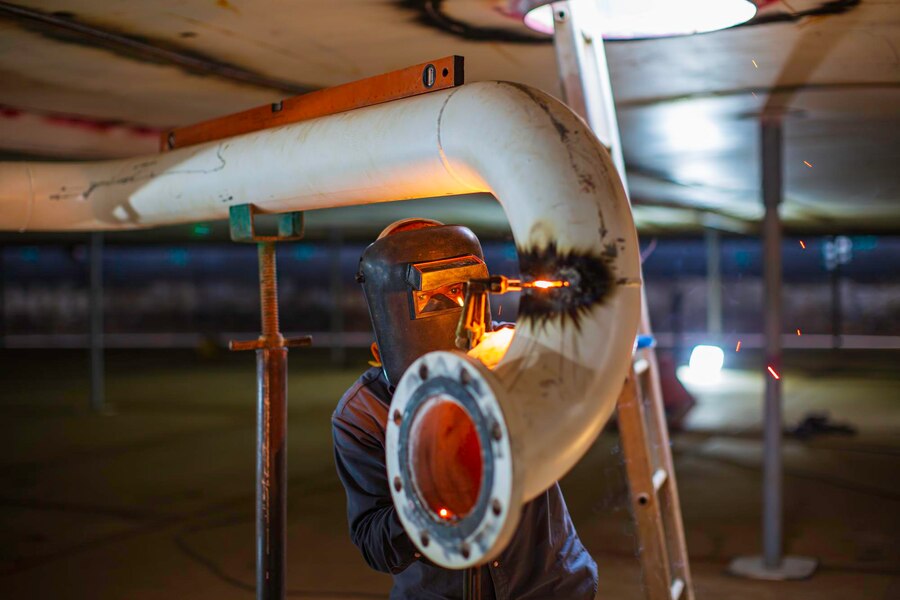
Dimensions & Weight of Welded and Seamless Steel Pipe ASME B 36.10 / B 36.19

Based on the information provided, the ASME B 36.10 and B 36.19 standards define the dimensions and weight of welded and seamless steel pipes. These standards provide guidelines for the manufacturing and installation of steel pipes in various industries, including oil and gas, petrochemical, and power generation. ASME B 36.10 specifies the dimensions and weights of welded and seamless wrought steel pipes. It covers pipes ranging from NPS 1/8 (DN 6) through NPS 80 (DN 2000) and includes various wall thicknesses and schedules. The dimensions covered include outside diameter, wall thickness, and weight per unit length.
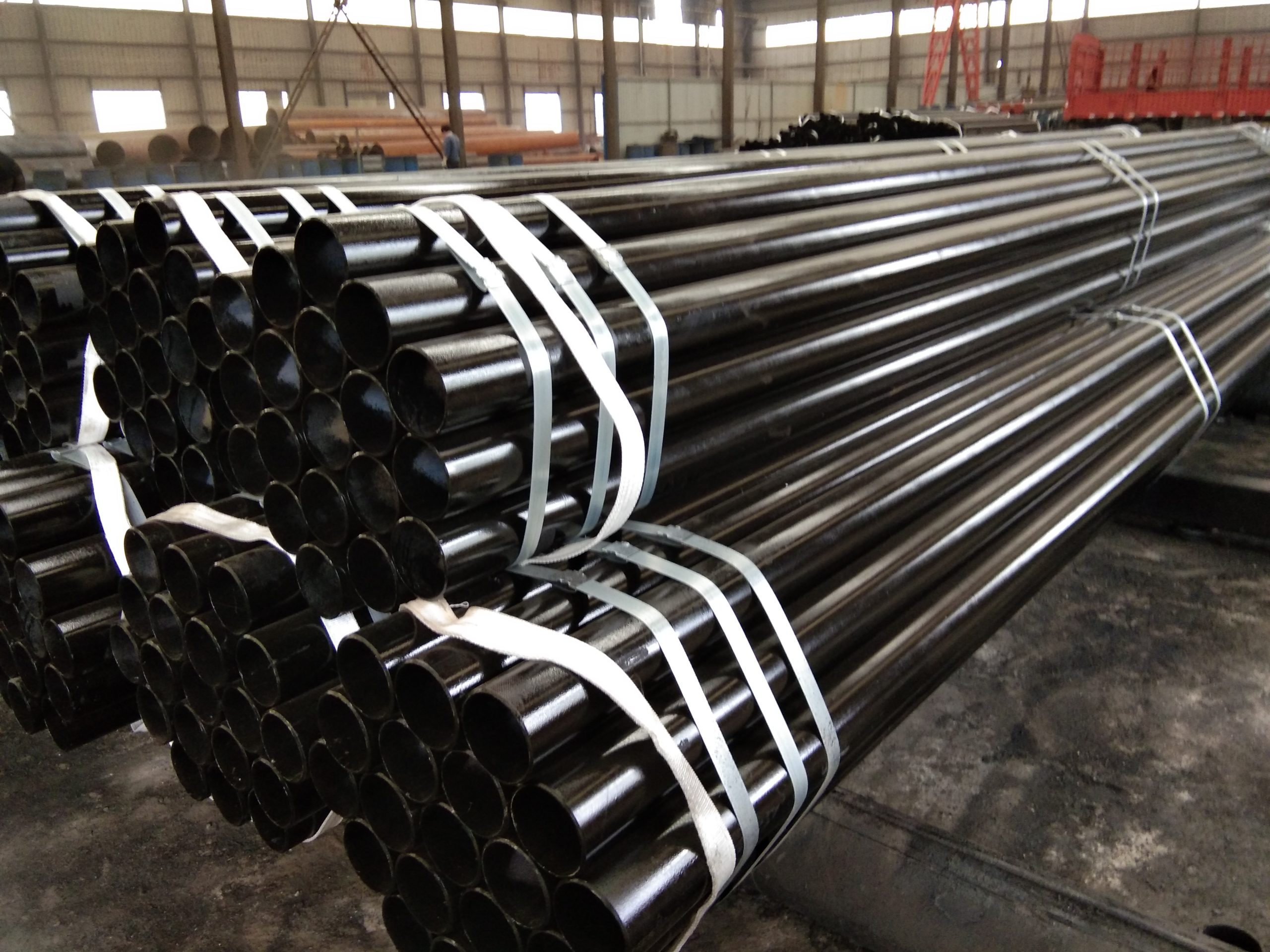
Differences Between Carbon Steel pipe and Black Steel pipe

Carbon steel pipe and black steel pipe are often used interchangeably, but there are some key differences between the two. Composition: Carbon Steel Pipe is made up of carbon as the main alloying element, along with other elements such as manganese, silicon, and sometimes copper. This composition gives carbon steel pipe its strength and durability. On the other hand, black steel pipe is a type of carbon steel pipe that has not undergone any additional surface treatment or coating. Surface Finish: The most apparent difference between carbon steel pipe and black steel pipe is the surface finish. Carbon steel pipe has a dark, iron oxide coating called mill scale, which forms during the manufacturing process. This mill scale gives carbon steel pipe its black appearance. In contrast, black steel pipe has a plain, uncoated surface. Corrosion Resistance: Carbon steel pipe is susceptible to corrosion due to its iron content. However, the mill scale coating on carbon steel pipe provides some level of protection against corrosion, especially in indoor or dry environments. On the other hand, black steel pipe is more prone to corrosion since it lacks any protective coating. Therefore, black steel pipe is not recommended for use in areas exposed to moisture or corrosive elements.
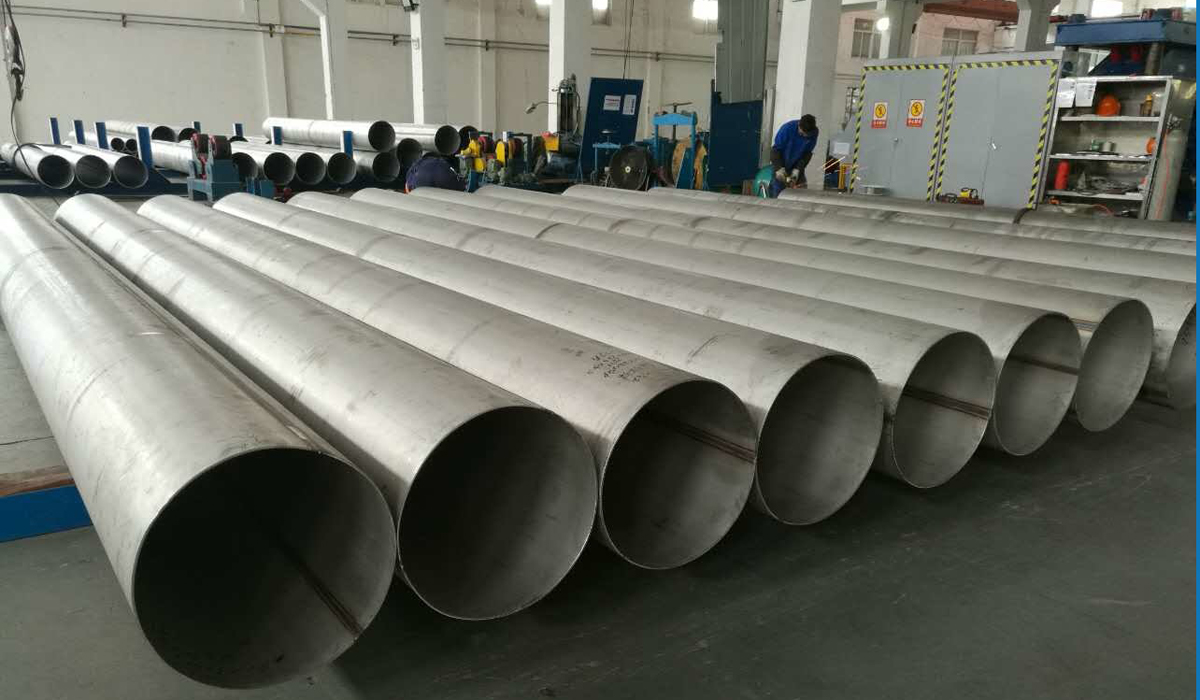
Stainless-Welded-Steel-Pipe.jpg

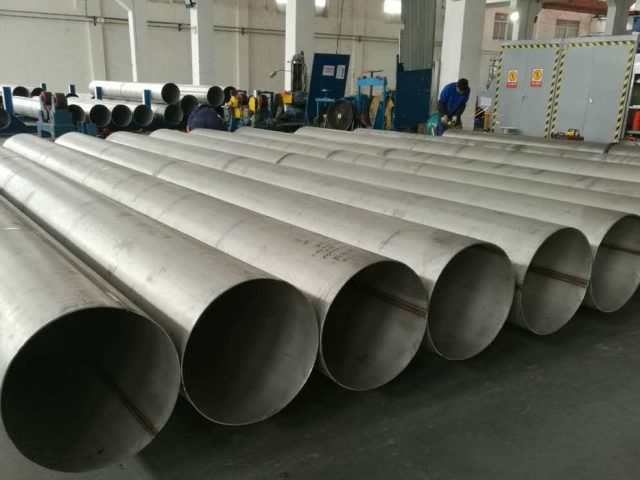
Various welding methods for stainless steel welded pipes have their own advantages and disadvantages. How to improve strengths and avoid weaknesses, combine several welding methods to form a new welding process to meet people's requirements for stainless steel welded pipe quality and production efficiency, is a new trend in the development of stainless steel welded pipe technology. After several years of exploration and research, the combined welding process has made progress, and Japan, France and other countries have mastered certain welding techniques for the production of stainless steel welded pipe. Combination welding methods are: argon arc welding + plasma welding, high frequency welding + plasma welding, high frequency preheating + three torch argon arc welding, high frequency preheating + plasma welding + argon arc welding. Combined welding increases the welding speed significantly. For combined welding with high-frequency preheating, the quality of welded steel pipe is equivalent to conventional argon arc welding and plasma welding. The welding operation is simple, and the entire welding system is easy to automate. This combination is easy to connect with existing high-frequency welding equipment. Low investment costs and good returns.

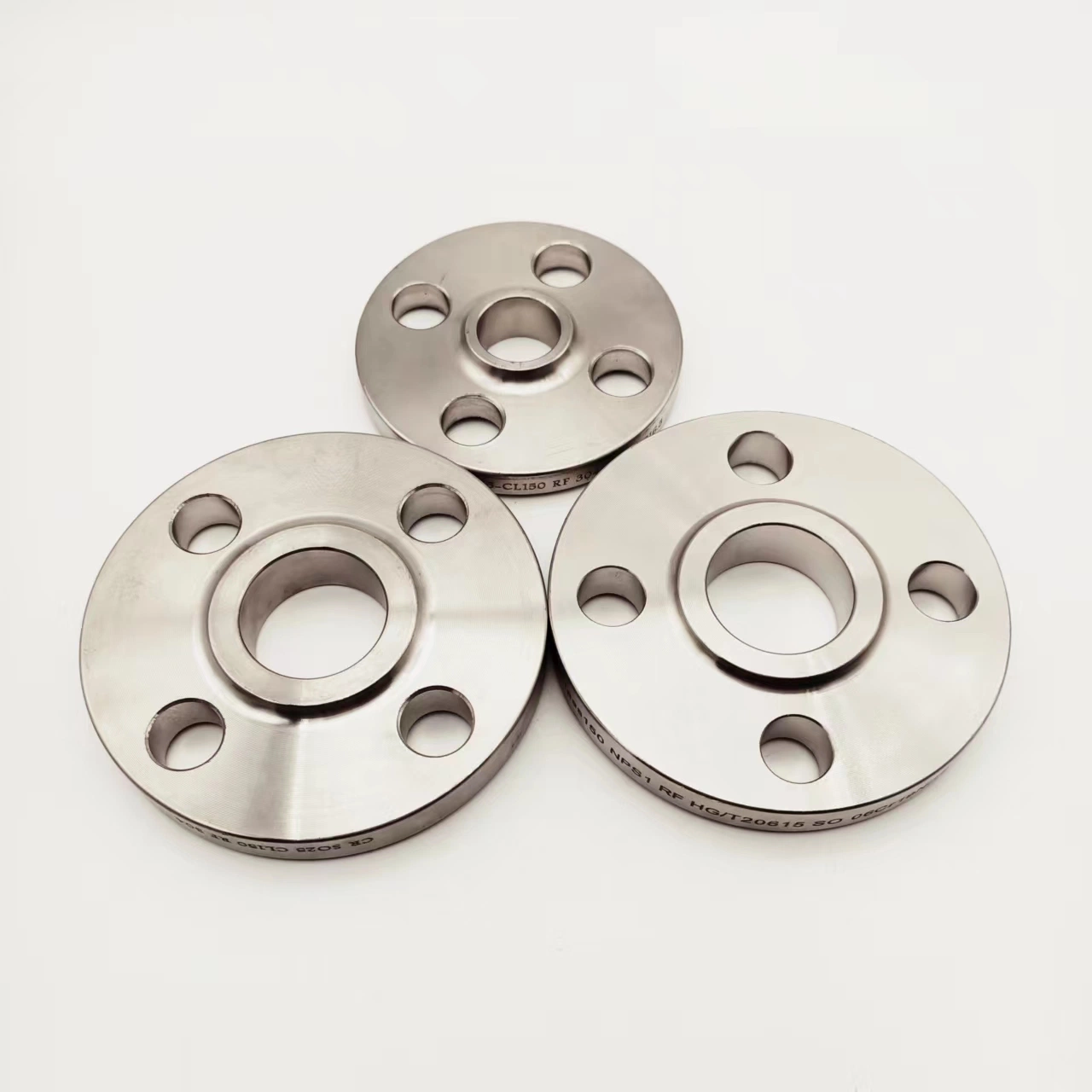
Stainless-Steel-Flat-Welding-Flange.webp

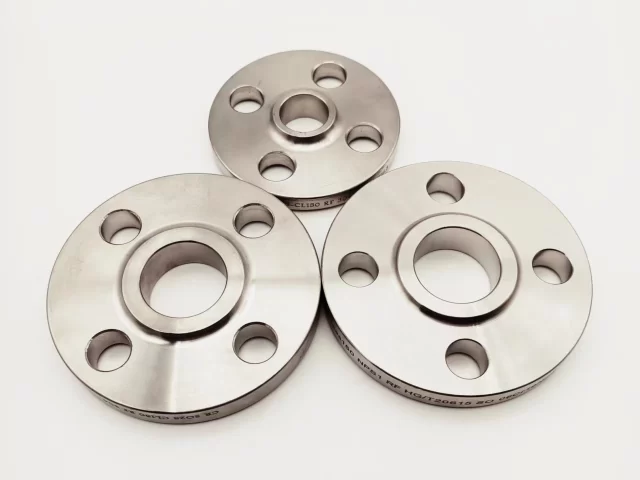
flat welding flanges are often used when the medium temperature and pressure are not high and the medium is corrosive. When the medium is corrosive. Rare integral flanges have flat and butt weld flanges. Flange fittings are flanged (flange or splicing) fittings. It can be cast, and the flat welded flange is mainly a part that connects the pipe and the pipe to each other. According to the structure type. It can also be constructed by screwing or welding. Flange joints consist of a pair of flanges, a gasket and a number of bolts and nuts.

JIS-G3461-STB510-Boiler-Pipe--1280x960.webp

Composition engineering underpins achieving the refined balance of strength, ductility, and thermal stability required of high-pressure line pipes at higher operating temperatures. Significant advances have been made in refining grain structures and precipitating stable secondary phases through judicious alloying additions alone or combined with thermomechanical processing routes.

3PE-Anticorrosion-Steel-Piping-line-1280x640.jpeg

Dredging is an essential process in maintaining navigable waterways, constructing ports, and reclaiming land. Dredging pipes play a crucial role in transporting dredged material from the seabed to designated disposal or reclamation sites. Submerging dredging pipes safely is a critical aspect of the dredging process, requiring careful planning and execution to ensure the safety of personnel, equipment, and the environment. This article outlines the key steps involved in submerging dredging pipes safely, highlighting best practices and considerations.

JIS-G3461-STB510-Boiler-Pipe--1280x960.webp

The marine industry is a complex and demanding sector that requires specialized equipment and materials to ensure the safe and efficient operation of vessels and offshore structures. Industrial pipe suppliers play a crucial role in this industry, providing essential components that support various marine applications. This article explores how industrial pipe suppliers serve the marine industry, highlighting the types of pipes used, their applications, and the unique challenges and considerations involved.

ASTM-A860-WPHY-Pipe-Fittings.jpg

The chemical composition of ASTM A860 WPHY pipe fittings ensures that they possess the necessary mechanical properties and corrosion resistance for high-pressure pipeline applications. These fittings are designed to meet stringent industrial requirements, ensuring safety and reliability in their respective uses.

casing-Drill-Pipe_Drill-Collar.jpg

Drill collar as one component of a drill string is extremely industrial tubular and used to drill into the ground to provide weight on the bit for drilling. It is used in conjunction with a drill pipe. There are slick and spiral-grooved types mainly. Vigor's collars are engineered to the highest standards to deliver optimal performance and durability for demanding drilling applications. Our manufacturing process is certified to API spec 7-1 and NS-1, and our products undergo rigorous quality control to ensure dependable service under punishing downhole conditions.

coal-tar-epoxy-coatings-steelpipe-1280x394.jpg

Today’s coal tar tape is an integrated, factory-made product that is easy to apply, either inside a pipe manufacturing facility or at a project site where pipes are being commissioned. It comprises a five-layer anatomy where a high-tensile glass fiber fabric is sandwiched with high-quality coal tar modulate, designed with a thicker overlay towards the pipe substrate side for heat fusing on primed steel substrate.

3PE-Epoxy-Coated-Anti-corrosion-SSAW-HSAW-Steel-Pipes.webp

3LPE coated SSAW steel pipes offer a robust solution for transporting fluids in harsh environments, providing excellent protection against corrosion and mechanical damage. Their durability, flexibility, and cost-effectiveness make them suitable for a wide range of applications, from oil and gas pipelines to water transportation and infrastructure projects. For detailed specifications, technical support, or to place an order, please contact the manufacturer or refer to the relevant industry standards.

KS-D3564-High-Pressure-Steel-Pipe-1280x710.jpg

KS D3564 Carbon Steel Pipes for High Pressure Service (SPPH 370/SPPH 410/SPPH 480) Standard: Korean Standards Material: KS D 3564 OD: (mm) 21.3-660 WT: (mm) 2-50 Length: 5-5.8mtr, R/l, Fixed as per your request Surface: Oiled, painted, anti-corrosion

boiler-steel-pipe-alloy_steelsteel_pipe_astm_a335_p1_p5_p9_pipe.jpg

SA335 P91 alloy steel pipes are a critical component in high-temperature and high-pressure environments. Their superior mechanical properties, excellent corrosion resistance, and high temperature sustainability make them an ideal choice for power generation, petrochemical, and industrial applications. By adhering to stringent manufacturing standards and specifications, these pipes ensure reliable performance and longevity in demanding service conditions.

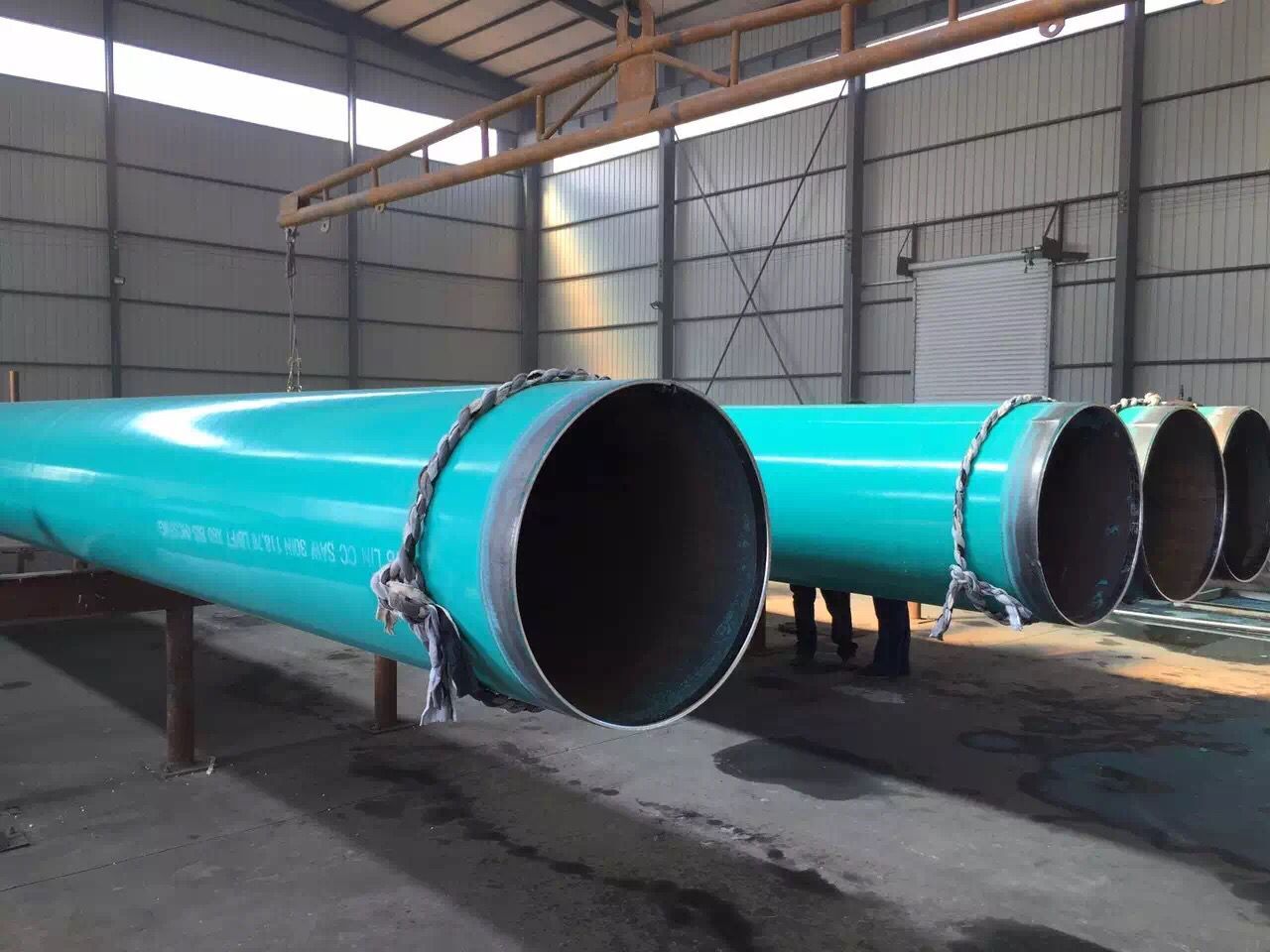
3PE-Anticorrosion-Steel-Piping-line-1280x640.jpeg

Conclusion 3PE anti-corrosion steel pipes are an excellent choice for applications requiring long-lasting protection against corrosion and mechanical damage. Their unique three-layer coating system ensures superior performance in demanding environments, making them a preferred solution for oil and gas, water supply, chemical processing, and other industrial applications. By investing in 3PE-coated steel pipes, industries can achieve enhanced durability, reduced maintenance costs, and extended service life for their critical infrastructure.

20220224155957735773-1280x720.jpg

Advantages High Strength: Capable of withstanding high pressure and temperature. Excellent Thermal Conductivity: Provides efficient heat transfer. Corrosion Resistance: Alloy composition offers good resistance to corrosion and oxidation. Seamless Construction: Ensures better pressure handling and reduced risk of leakage. Durability: Excellent resistance to wear and tear, ensuring long service life. Quality Assurance: Rigorous testing ensures compliance with ASTM standards and high-quality output.

ASME-SA210-seamless-medium-carbon-steel-boiler.jpg

ASME SA210 seamless medium carbon steel boiler pipes are essential for high-pressure and high-temperature applications in boilers, superheaters, and heat exchangers. Their robust construction, high strength, and durability make them a dependable choice for critical applications in power plants, refineries, and other industrial settings. The rigorous manufacturing process and stringent quality control ensure that SA210 pipes meet the demanding requirements of these industries

JIS-G3463-Stainless-Steel-pipes.webp

JIS G3463 stainless steel pipe is used for internal and external heat exchange of the pipe. Its application areas are boiler superheater tubes, heat exchanger tubes, condenser tubes and other chemical and petroleum industries. It is not designed for heating furnace tubes. According to the manufacturing method, there are seamless steel pipes and welded stainless steel pipes (automatic arc welding, laser welding or resistance welding).

ASTM-A790-Stainless-Steel-Pipe-1280x676.webp

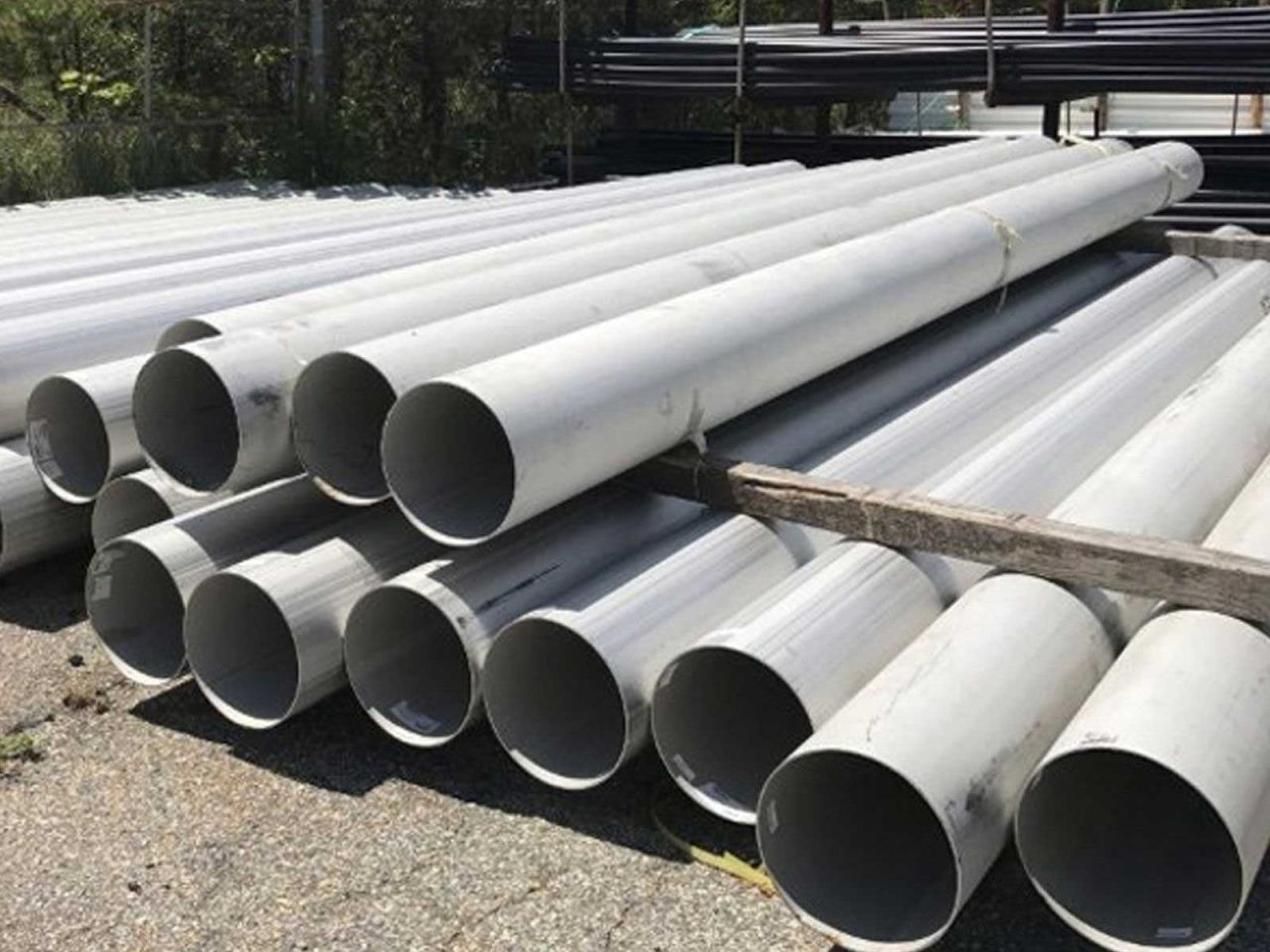
ASTM A790 S31803/S32205 Duplex Stainless Steel Pipe Duplex stainless steels are extremely corrosion resistant, work hardenable alloys. Their microstructures consist of a mixture of austenite and ferrite phases. As a result, duplex stainless steel display properties characteristic of both austenitic and ferritic stainless steel. This combination of properties can mean some compromise when compared with pure austenitic and pure ferritic grades. Duplex stainless steels are in most cases, tougher than ferritic stainless steel Strengths of duplex stainless steel can in some cases be double that for austenitic stainless steel.

ASTM-A358-ASME-SA358-Chromium-Nickel-Stainless-Steel-Pipe.jpg

Conclusion ASTM A358 (ASME SA358) chromium nickel stainless steel pipes are specifically designed for high-temperature and corrosive environments, offering versatility and reliability across various industries. Their availability in multiple classes allows for customization based on specific welding and inspection needs, ensuring they meet rigorous service demands.

UNS-S32750-and-S32760-Stainless-Steel-Pipe-1280x960.jpg

UNS S32750 stainless steel pipe is a super duplex grade that offers exceptional corrosion resistance, high strength, and durability. Its chemical composition, including elements such as chromium, nickel, and molybdenum, contributes to its unique properties. With a yield strength of ≥ 550 MPa and a tensile strength of ≥ 750 MPa, UNS S32750 stainless steel pipe can withstand high levels of stress and pressure. Its wide range of applications includes oil and gas, chemical processing, and marine industries.

API-5CT-P110-Casing-Tubing.jpg

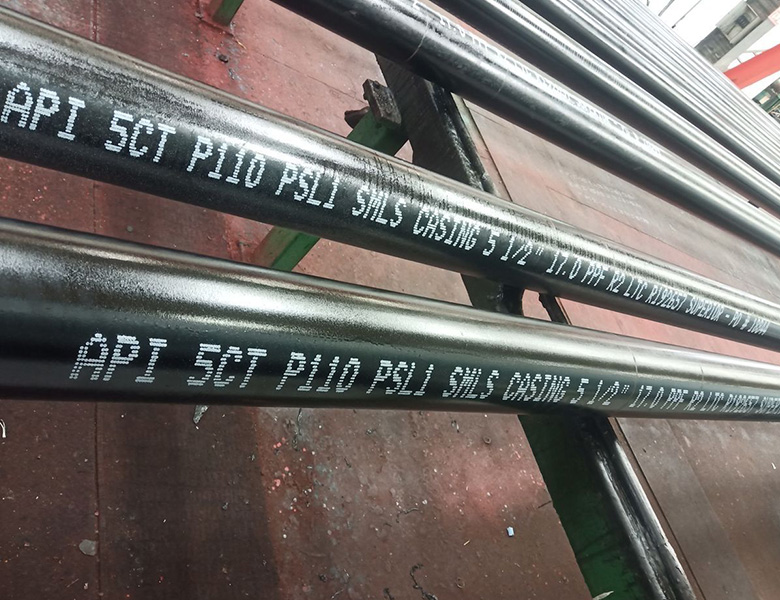
API-5CT P110 casing pipes are an essential component in the oil and gas industry for casing wells. Their high yield strength, corrosion resistance, and excellent mechanical properties make them suitable for withstanding the demanding conditions encountered in drilling operations. By adhering to the API 5CT standard, these pipes ensure the integrity and efficiency of oil and gas wells, contributing to the overall success of the industry.

ASTM-B861-titanium-pipe-.jpg

Titanium and titanium alloy pipes, manufactured according to ASTM B861, ASTM B862, and ASTM B338, offer exceptional properties and advantages for various industries. Their corrosion resistance, high strength, lightweight nature, and other unique characteristics make them ideal for applications in aerospace, chemical processing, medical, oil and gas, and many other sectors. By adhering to the specified standards and following proper fabrication and installation procedures, the performance and longevity of titanium and titanium alloy pipes can be maximized.

J55-K55-N80-Perforated-Casing-Pipes-for-Water-Filter-1280x1280.webp

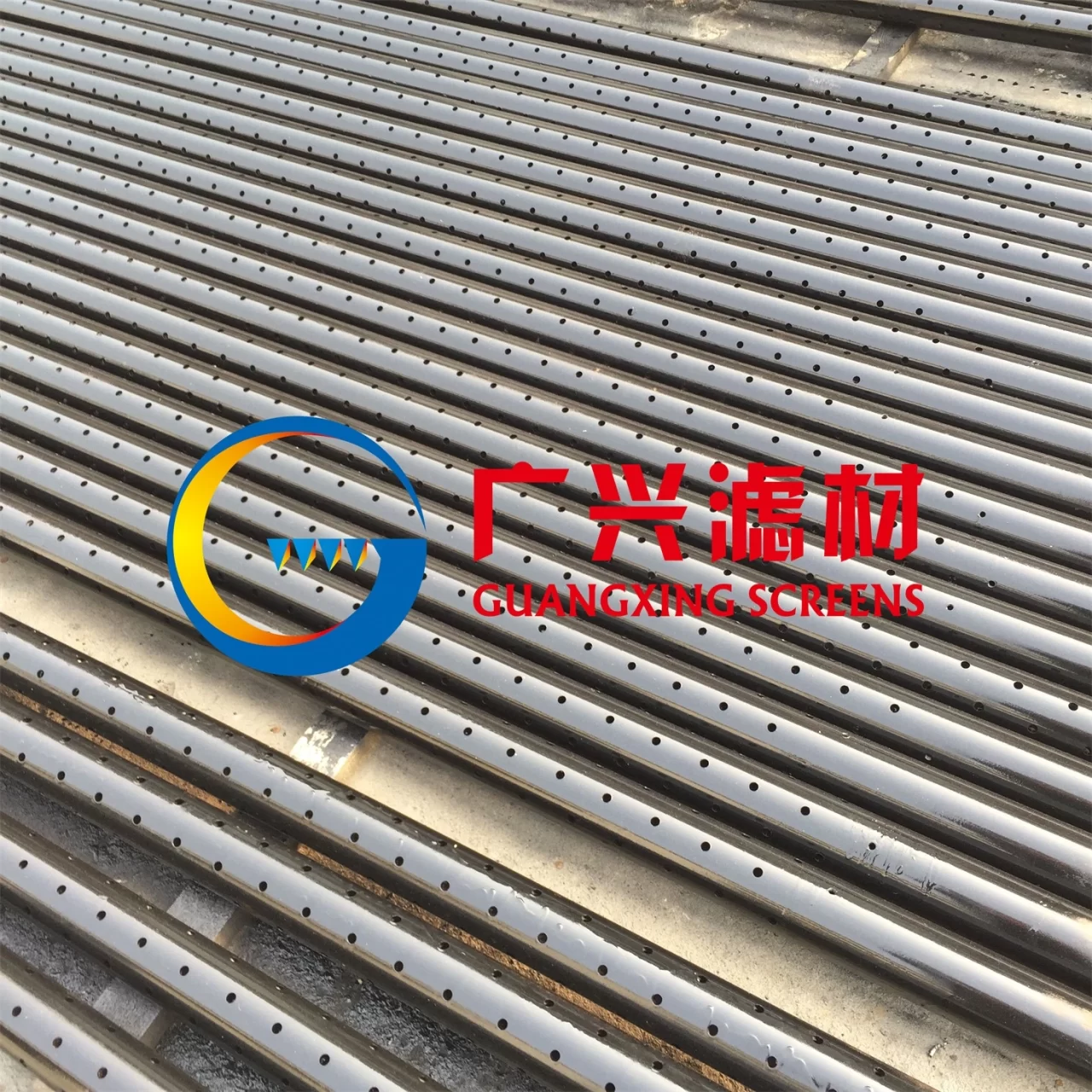
This in-depth article explores the metallurgical properties and perforation techniques leveraging J55/K55/N80 casing materials, quantifying 20% production gains through superior strength, wear resistance, and durability maintaining long-term conductivity in unconventional wells.

Hastelloy-B-2-UNS-N010665-ALLOY-STEEL-PIPES.png

Hastelloy B-2 is a versatile alloy known for its exceptional corrosion resistance properties in challenging environments, making it a preferred choice for various industrial applications where resistance to reducing environments is crucial.

Duplex-2507-Blind-Flange.webp

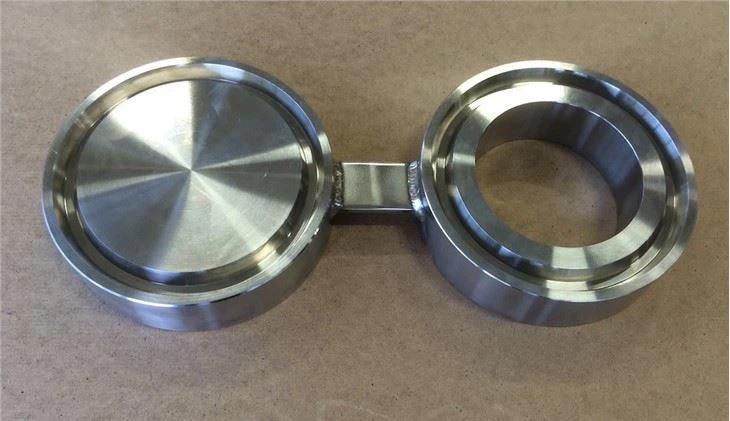
By adding a high amount of metals such as chromium and molybdenum to the 2507 Material, Duplex 2507 Spectacle Bind Spacer Ring becomes extremely resistant to uniform corrosion or General Corrosion, when exposed to environments that contain organic acids like acetic and acetic formic acid. Further, ANSI B16.5 UNS S32750 Flange exhibits excellent resistance to inorganic acids as well, especially in the presence of media that could contain chlorides. Although the ASTM A182 F53 Pipe Flange can be used in dilute hydrochloric acid, exposure to concentrated hydrochloric acid must be avoided. Due to the low carbon content of Duplex Flange, there is a low risk or minimal risk of the occurrence of carbide precipitation at the grain boundaries during heat treatment.

JIS-G3461-STB510-Boiler-Pipe-Heat-Exchanger-Tube.webp

JIS G3461 Carbon Steel Tubes is used for exchanging heat on the inside and outside of the tube, such as water tubes, smoke tubes, superheater tubes and air preheater tubes of the boiler, and heat exchanger tubes,condenser tubes and catalyser tubes used in chemical and petroleum industries. It is not applicable to the steel tubes for heating furnace and steel heat exchanger tubes for low temperature service. Grade:G3461 STB340 (STB35), G3461 STB410(STB42), G3461 STB510 (STB52) Outer Dimensions: 19.05mm – 168.3mm Wall Thickness:2.0mm – 14 mm Length: max 19000mm

FORGED-BUTT-WELD-NECK-FLANGE.jpg

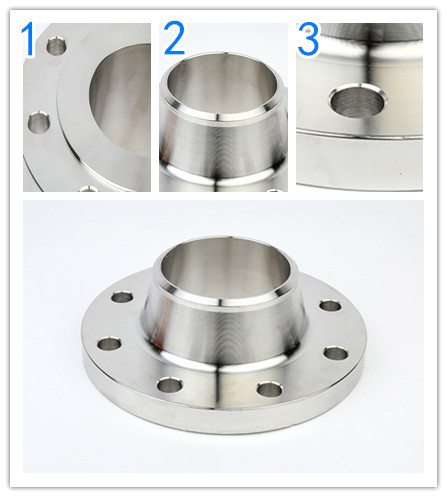
Stainless steel forged butt weld neck flanges are essential components in industrial piping systems. Their strength, durability, and leak-proof design make them suitable for a wide range of applications in various industries. By understanding their features, specifications, and applications, you can make informed decisions when selecting and installing these flanges. Remember to consult industry standards and guidelines for proper installation and maintenance procedures. With the right knowledge and expertise, you can ensure the integrity and efficiency of your piping system with stainless steel forged butt weld neck flanges.

Hot-Dipped-Galvanized-Pipes-1280x777.png

EN39 and BS1139 are two different standards that govern the manufacturing and specifications of galvanized steel pipes. While both standards focus on galvanized steel pipes used in scaffolding applications, there are some key differences between EN39 and BS1139 galvanized steel pipes. In this article, we will explore these differences to help you understand which standard is most suitable for your specific requirements.

Hot-dipped-Galvanized-welded-pipe.webp

Remember, EN39 galvanized steel pipes are a reliable and versatile choice for various applications. Their corrosion resistance, durability, and ease of installation make them an excellent option for construction projects and industrial applications.

Gas-Cylinder-Steel-pipe-1280x960.webp

JIS G3429 is a Japanese standard that specifies seamless steel tubes for high-pressure gas cylinders. These steel tubes are widely used in various industries, including fire-fighting, industrial, and vehicle gas cylinders. In this article, we will explore the applications and grades of JIS G3429 steel pipes for gas cylinders.

ASTM-A209-Alloy-Steel-Boiler-pipe.webp

The U Bend ASTM A209 Alloy Steel Boiler Pipe is a high-quality seamless carbon-molybdenum alloy steel Pipe designed for high-temperature and high-pressure applications in boilers and heat exchangers. With its strict adherence to the ASTM A209 standard, it offers excellent chemical composition and mechanical properties. The Pipe undergoes heat treatment and mechanical tests to ensure its durability, reliability, and optimal performance. Whether in power generation, petrochemical, or refinery industries, the U Bend ASTM A209 Alloy Steel Boiler Pipe is a reliable choice for efficient heat transfer and long-term operation.

ASTM-A789-A790-UNS-S31803-Duplex-Steel-S31803-2205-Seamless-Pipe-Tube.jpg

In conclusion, the ASTM A790 UNS S31803, UNS S32750, and UNS S32760 duplex stainless steel pipes are highly versatile and reliable in various industries. Their unique combination of corrosion resistance and high strength properties make them ideal for applications in chemical processing, oil and gas, marine environments, and more. With precise dimensions and adherence to the ASTM A790 standard, these pipes provide exceptional performance and durability. Whether it's transporting corrosive chemicals, withstanding high-pressure conditions, or resisting harsh marine environments, duplex stainless steel pipes are the go-to choice for many industries.

SA249-TP316L-U-Stainless-Steel-pipe.jpg

ASME SA249 TP316L Stainless Steel Boiler Pipe possesses excellent mechanical properties, including high tensile and yield strength, elongation, and impact toughness. The manufacturing process ensures a seamless and robust structure, while the chemical composition provides superior corrosion resistance and high-temperature stability. These attributes make TP316L stainless steel a reliable choice for boiler pipe applications in various industries.

ss-904L-Buttweld-Fittings.jpg

ASMEB 16.5 stainless steel butt weld pipe fittings are vital components in the construction of reliable and efficient piping systems. These fittings, adhering to a recognized standard, provide precise and secure connections between pipes, ensuring a seamless flow of fluids. Whether it is for the oil and gas, chemical processing, or other industries, stainless steel butt weld pipe fittings offer the necessary strength and corrosion resistance to maintain the integrity of piping systems. By selecting high-quality fittings and adhering to the ASMEB 16.5 standard, industries can ensure the efficiency and reliability of their piping systems, contributing to the overall success of their operations.

sch40-black-steel-pipe--1280x960.jpg

Schedule 80 piping exhibits clear structural superiority versus Schedule 40 through its 25-30% thicker walls, translating to higher strength, stiffness, load tolerance, deflection resistance and durability in demanding applications. Its robustness and performance make it the standard choice for structural pipe supports.

post_05-1280x853.jpg

According to ASTM specifications, this particular specification pertains to seamless ferritic and austenitic steel tubes for use in boilers, superheaters, and heat exchangers. The specific grades covered by this specification include T5, TP304, and others listed in Tables 1 and 2. The tubing size ranges from an internal diameter of 1/8 inch up to an outer diameter of 5 inches, with thicknesses ranging from 0.015 to 0.500 inches (0.4 mm to 12.7 mm). If other sizes are required, they can be specified as part of the order, along with minimum and average thicknesses.

Stainless Steel Hollow Sections 316L 1.4404 and Lean Duplex 1.4362 UNS S32304
structural square hollow sections

Stainless steel hollow sections offer a versatile and reliable solution for various structural applications. Their exceptional corrosion resistance, strength, durability, and aesthetic appeal make them a preferred choice in construction, architecture, industrial, and transportation sectors. Stainless steel hollow sections provide the necessary strength and stability while offering an appealing visual aspect to modern structures. As technology advances and design trends evolve, stainless steel hollow sections continue to play a crucial role in shaping the future of construction and engineering.

nickel-STEEL-alloy-pipes.jpg

Nickel alloy steel pipe is a type of alloy steel pipe that contains a significant amount of nickel as one of its primary alloying elements. The addition of nickel to the alloy steel pipe enhances its mechanical properties, such as strength, toughness, and corrosion resistance.

Pre-Insulated-Steel-Pipe-Polyurethane-1280x720.jpg

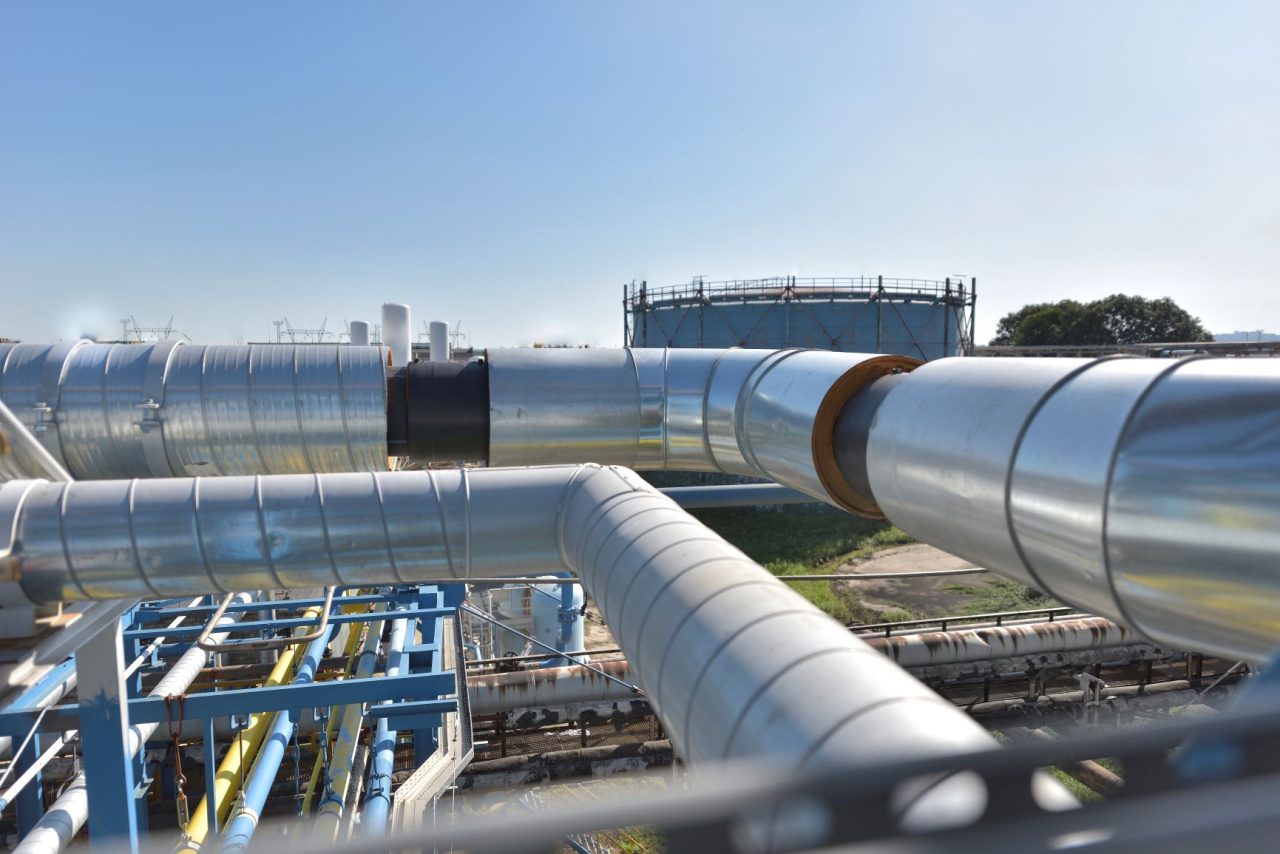
In industries such as HVAC, district heating, and chilled water systems, efficient insulation of pipelines is crucial for reducing energy losses and maintaining optimal temperature conditions. One effective solution for achieving this is through the use of polyurethane foam pre-insulated steel pipes. In this article, we will explore the concept of polyurethane foam pre-insulated steel pipe, its advantages, and its role in enhancing efficiency and energy conservation.

3PE-Coating-Seamless-Steel-Pipe.jpg

3PE, which stands for "Three-Layer Polyethylene," is a common coating used to protect steel pipes from corrosion and extend their service life, especially in applications where the pipes are exposed to harsh environments, such as in the oil and gas industry

Carbon-Steel-pipe-and-Black-Steel-pipe-1280x366.jpg

Black steel pipe and galvanized steel pipe have different properties and strengths, so it is important to understand their characteristics before comparing their strength. Black steel pipe, also known as plain carbon steel pipe, is made from untreated steel without any protective coating. It is typically used in applications where corrosion resistance is not a major concern. Black steel pipe is known for its strength and durability, making it suitable for various industrial applications such as plumbing, construction, and structural support. On the other hand, galvanized steel pipe is coated with a layer of zinc to provide protection against corrosion. The zinc coating acts as a barrier between the steel pipe and the surrounding environment, preventing rust and corrosion. Galvanized steel pipe is commonly used in outdoor applications or environments with high moisture levels, such as water supply systems and outdoor structures.

sch40-black-steel-pipe--1280x960.jpg

Carbon steel pipe and black steel pipe are often used interchangeably, but there are some key differences between the two. Composition: Carbon Steel Pipe is made up of carbon as the main alloying element, along with other elements such as manganese, silicon, and sometimes copper. This composition gives carbon steel pipe its strength and durability. On the other hand, black steel pipe is a type of carbon steel pipe that has not undergone any additional surface treatment or coating. Surface Finish: The most apparent difference between carbon steel pipe and black steel pipe is the surface finish. Carbon steel pipe has a dark, iron oxide coating called mill scale, which forms during the manufacturing process. This mill scale gives carbon steel pipe its black appearance. In contrast, black steel pipe has a plain, uncoated surface. Corrosion Resistance: Carbon steel pipe is susceptible to corrosion due to its iron content. However, the mill scale coating on carbon steel pipe provides some level of protection against corrosion, especially in indoor or dry environments. On the other hand, black steel pipe is more prone to corrosion since it lacks any protective coating. Therefore, black steel pipe is not recommended for use in areas exposed to moisture or corrosive elements.
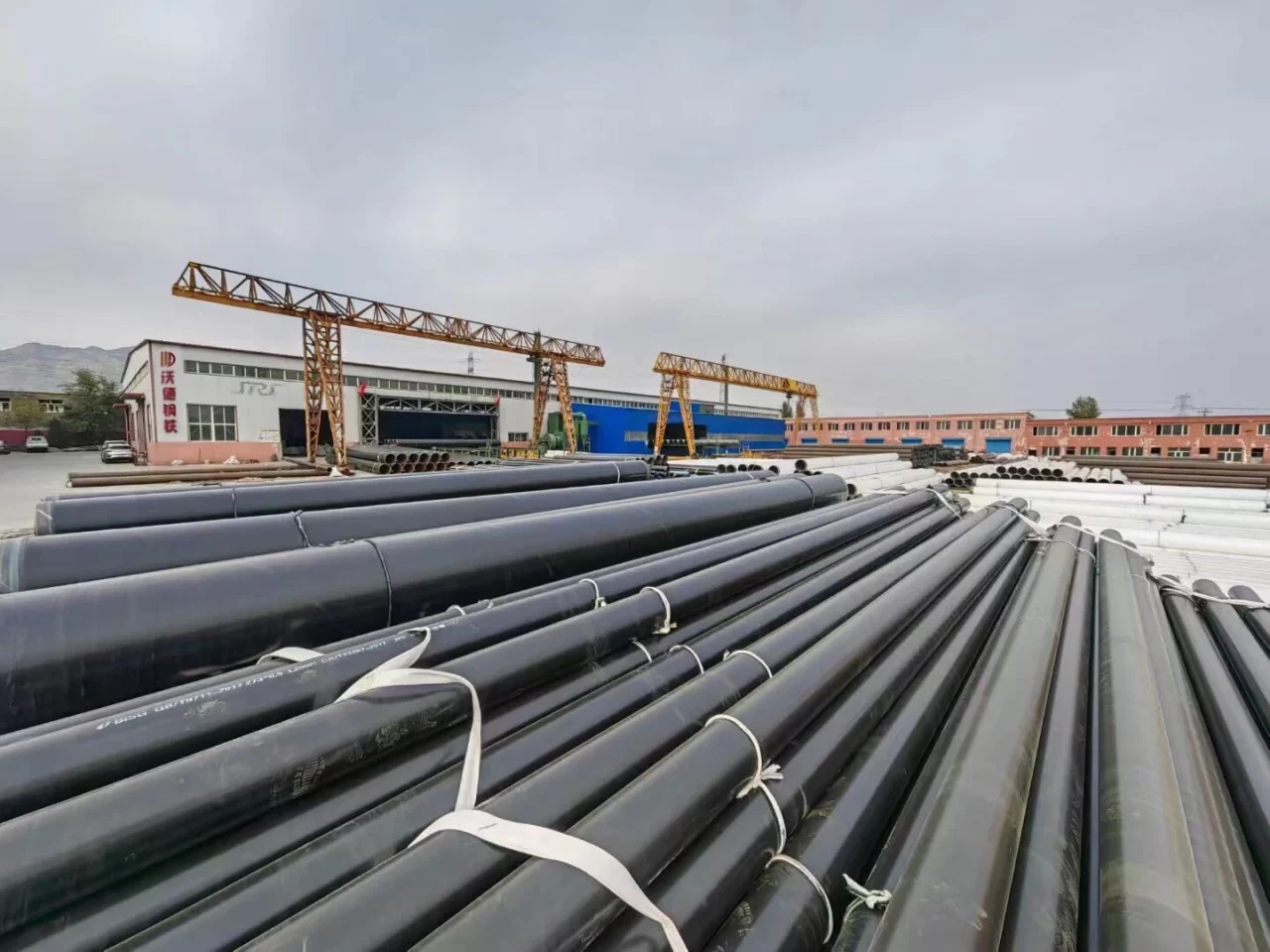
black-steel-pipe-STRUCTURAL-WELDED-PIPE-1280x960.jpg

ASTM A53 black steel pipe, also referred to as ASME SA53 pipe, is an excellent candidate for most processing. Featuring a semi-smooth surface coated with black lacquer. Black steel pipe is intended for mechanical and pressure application. Common applications include steam, water, air, and gas systems. ASTM A53 is the standards specification covers seamless and welded, black and hot-dipped galvanized nominal (average) wall pipe for coiling, bending, flanging and other special purposes and is suitable for welding. A53 bare steel pipe sizes are specified by two non-dimensional numbers. Nominal pipe size (NPS) or inside dia

ss-904L-Buttweld-Fittings.jpg

ANSI B16.9 Stainless Steel 904L Welded Buttweld Fittings are a highly durable and reliable choice for a wide range of industrial applications. Their unique chemical composition and excellent mechanical properties make them particularly suitable for environments where high corrosion resistance is required.

Stainless-Steel-904L-Buttweld-Fittings.jpg

Stainless Steel 304/304L/304H Buttweld Fittings are versatile fittings known for their high corrosion resistance and superior welding characteristics. The 304/304L/304H versions of stainless steel are variations of a basic 18-8 grade, where 18 represents the chromium percentage and 8 the nickel percentage.

Dimensions-Weight-of-Welded-and-Seamless-Steel-Pipe.jpg

Based on the information provided, the ASME B 36.10 and B 36.19 standards define the dimensions and weight of welded and seamless steel pipes. These standards provide guidelines for the manufacturing and installation of steel pipes in various industries, including oil and gas, petrochemical, and power generation. ASME B 36.10 specifies the dimensions and weights of welded and seamless wrought steel pipes. It covers pipes ranging from NPS 1/8 (DN 6) through NPS 80 (DN 2000) and includes various wall thicknesses and schedules. The dimensions covered include outside diameter, wall thickness, and weight per unit length.

Stainless-Steel-Flanges.jpg

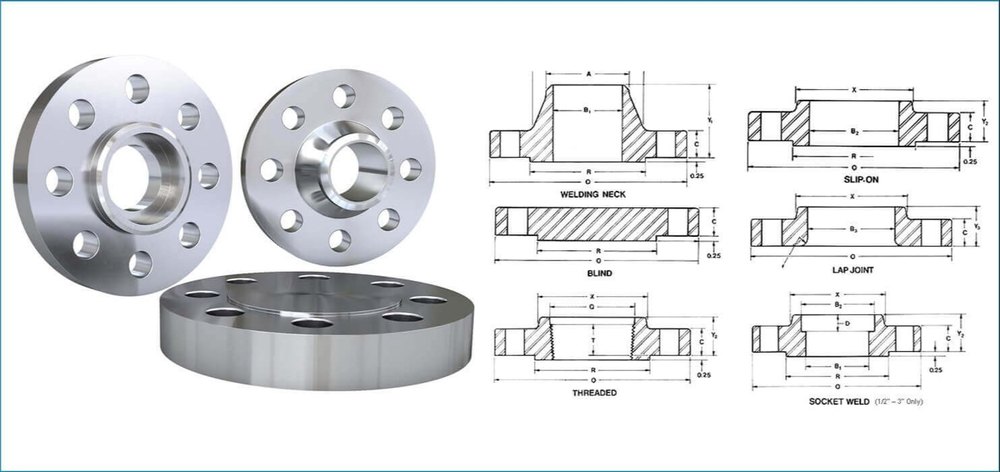
Understanding Flanges: Flanges are mechanical devices used to join pipes, valves, or other equipment. They need to be robust, durable, and resistant to corrosion. Flange Dimensions: The nominal size of a flange should correspond to the bore size of the connecting pipe. The flange rating indicates its pressure and temperature performance.

stainless-steel-pipeStainless-Steel-Pipe-316L-304L-316ln-310S-316ti-347H-310moln-1.4835-1.4845-1.4404-1.4301-1.4571.jpg

In industrial and residential applications, it is frequently necessary to join different types of metals. These connections can be between stainless steel and carbon steel, two of the most commonly used materials in piping systems. This article will walk you through the process of connecting stainless steel pipe to carbon steel pipe fittings, the challenges involved, and how to overcome them.

HDPE-Pre-Insulated-elbow.jpg

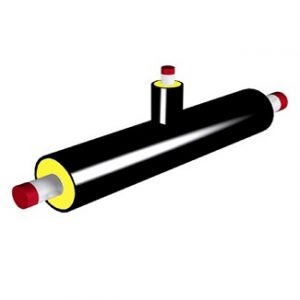
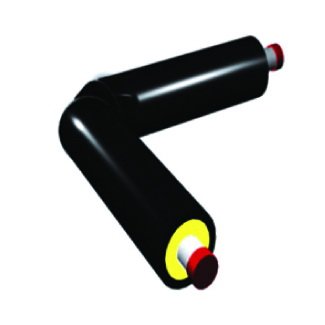
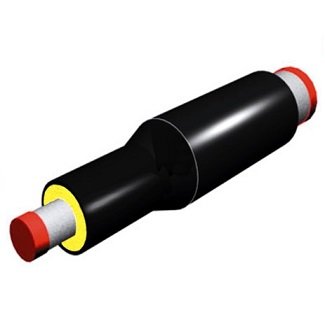
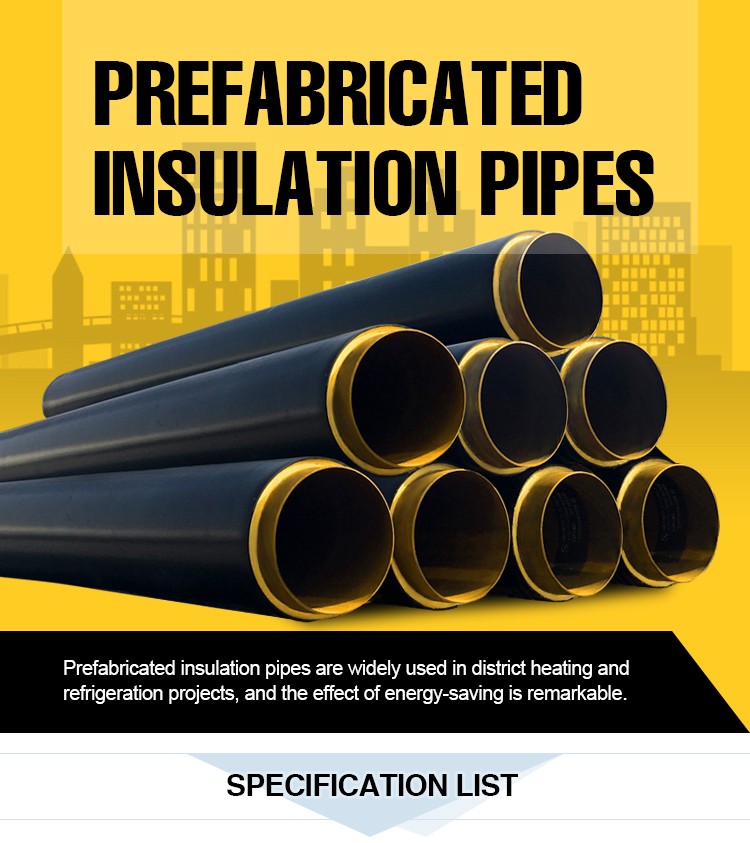
Polyurethane insulation pipe (black jacket insulation pipe, polyurethane insulation pipe and its connecting parts, including insulation tee, insulation reducer, insulation elbow, insulation bend pipe, insulation fixed joints, etc.) is suitable for urban heating, electric heating, water transmission and insulation, oil pipeline, plumbing pipe, air conditioning pipe, electric power pipe, thermal pipe...Pipeline insulation buried in the project is widely used .It has many advantages, such as environmental protection and energy saving, anti-corrosion and heat preservation, anti-freezing and cold resistance, economy and beauty, and reducing heat loss.

pre-insulated-steel-reducer.jpg

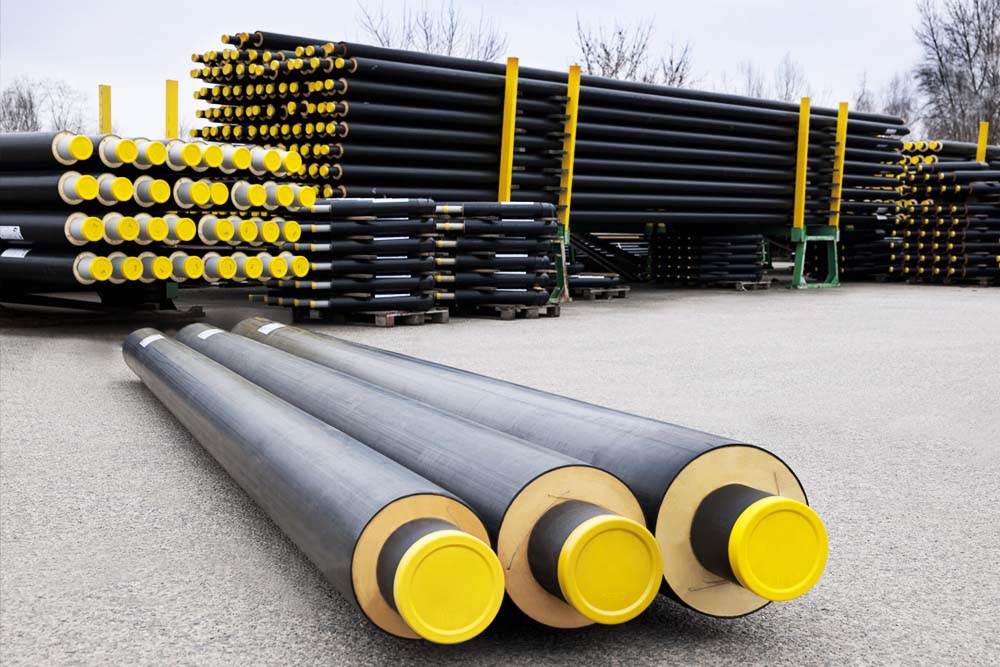
Pre-insulated pipes are manufactured under TS EN 253 standards and offer 30 years of service life at 120°C, 50 years of service life at 115°C and more than 50 years of service life below 115°C.

Ground-Pre-Insulated-Steel-Pipe.jpg

Pre-insulated pipes, manufactured in accordance with the TS EN 253 standard, have an insulation lifespan of 30 years when continuously operated at 120-140℃, 50 years at 115℃, and over 50 years at temperatures below 115℃.

En253-Pipe-Pre-Insulated-Pipe.jpg

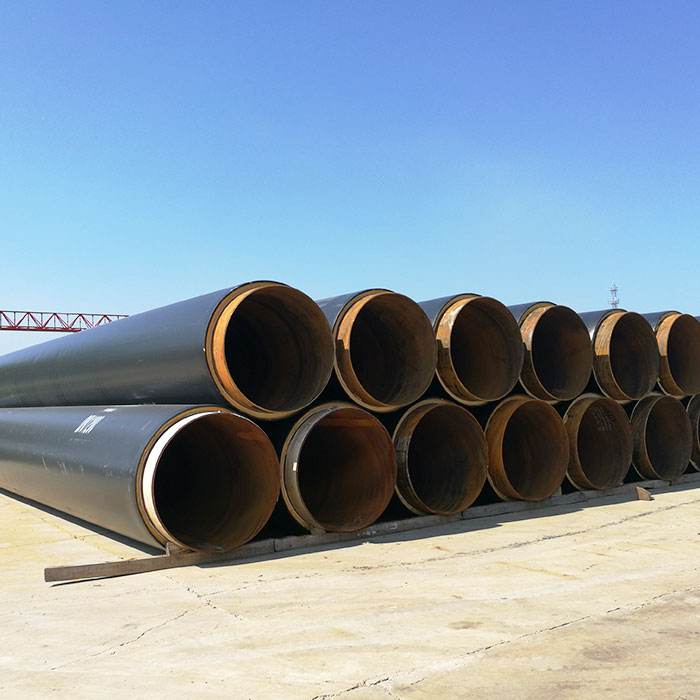
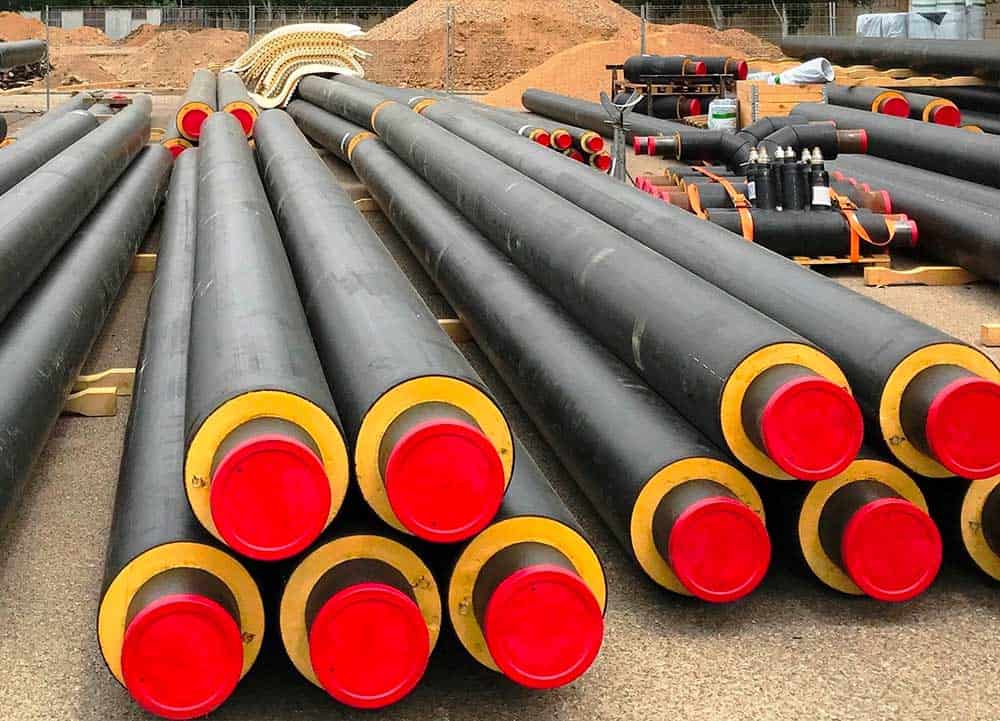
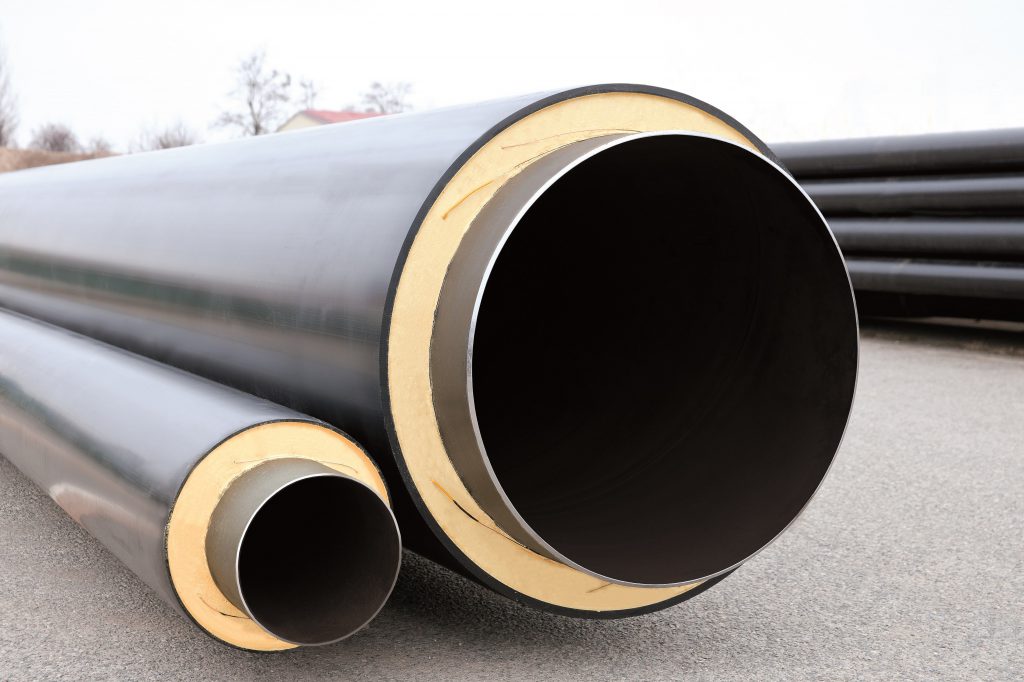
Polyurethane foam insulated steel pipe also referred as urethane foam pre-insulated piping, PU district heating pipesis the insulation pipe with rigid polyurethane foam plastic as its insulation material, made of inner carrier steel pipes, middle rigid polyurethane foam insulation layer and outer protective layer.

efw-pipe-PIPELINES.jpg

Electric Fusion Welding (EFW steel pipe) refers to an electron beam welding, the use of high-speed movement of the electron beam directed impact kinetic energy is converted to heat the workpiece so that the workpiece leaving the melt, the formation of the weld. It is mainly used for welding dissimilar steel welding sheet or which high power density, metal weldment can rapidly heated to high temperatures, which can melt any refractory metals and alloys. Deep penetration welding fast, heat-affected zone is extremely small, so small performance impact on the joints, the joint almost no distortion. But it has a requirement on a special welding room because welding using X-rays.

boiler-steel-pipe-alloy_steelsteel_pipe_astm_a335_p1_p5_p9_pipe.jpg

A heat exchanger is a device that transfers heat from one medium to another, often with the goal of reusing or recycling heat that would otherwise be wasted or lost. The process of heat exchange is fundamental to many everyday appliances, such as refrigerators and air conditioners, and is also critical in many industrial applications.

ASTM-A179-Steel-Pipe-Seamless-Pipes.jpg

The EN 10217-1 standard is the European standard for welded pressure pipes, it governs the technical requirements for carbon steel tubes. This standard is suitable for welding carbon steel tubes which having specified room temperature properties and rated pressures. The essential requirements of this standard are minimum yield point strength and tensile strength, elongation, weldability, Impact values, non-destructive test, etc. This standard is widely used in the construction of pressure vessels and piping systems in the oil and gas, petrochemical, and Power industries.

galvanized-steel-pipe.jpg

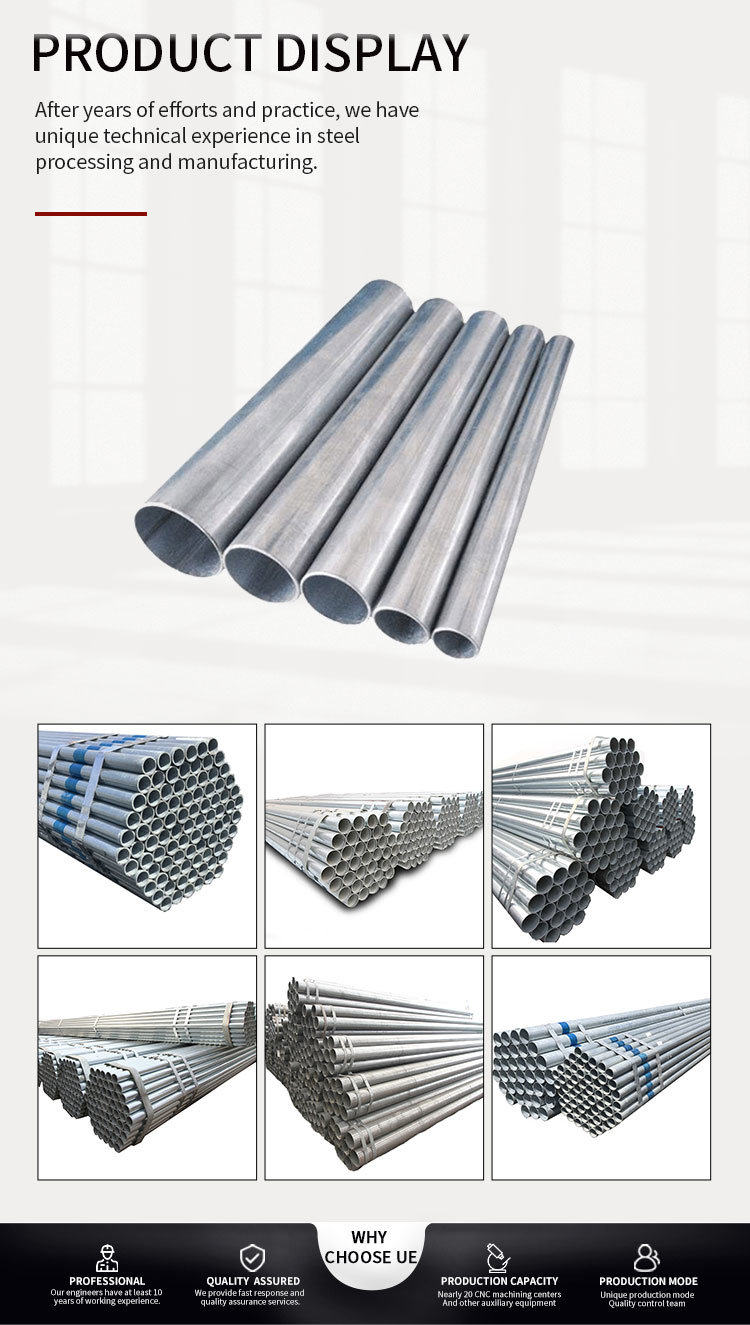
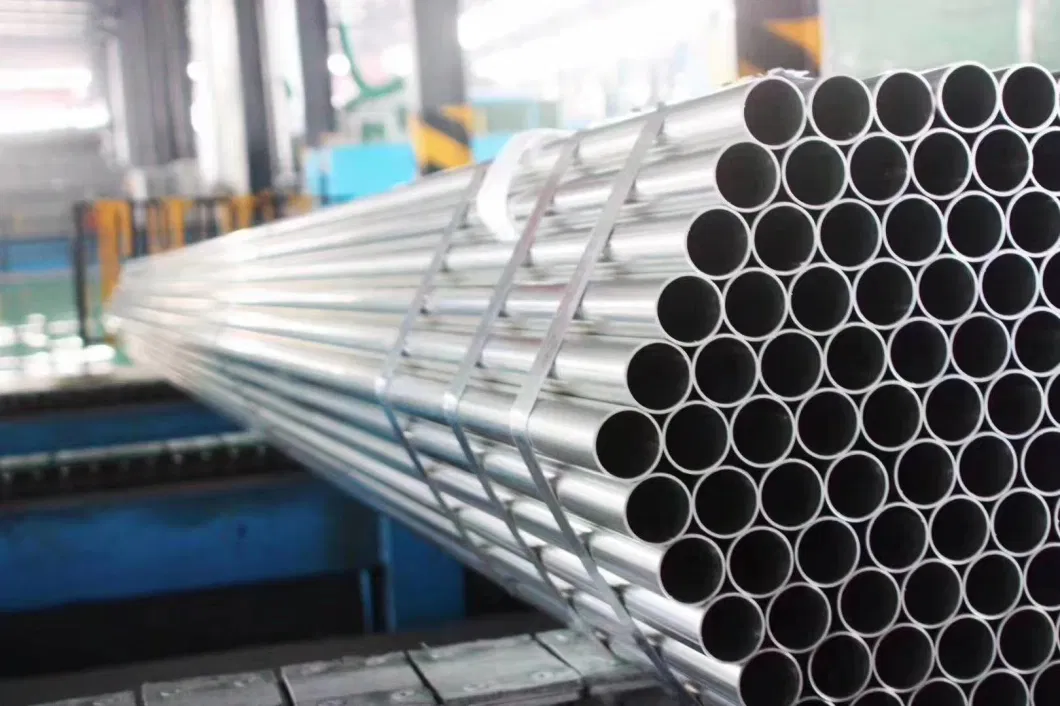
Galvanized pipes have a wide range of uses. In addition to oil and other low-pressure fluid pipelines, it is also used as oil well pipes in the petroleum industry, especially in offshore oil fields, oil heaters in chemical coking equipment, coal distillation, and oil washing converter pipes, bridges, etc. Pipe pile, mining tunnel support frame with pipe, etc. Developed countries in the world started to develop new pipes and continuously banned galvanized pipes.

FBE-coating.jpg

A hard, mechanically strong top coating for all fusion bonded epoxy pipeline corrosion protection coatings. It is applied to the base coating to form a tough outer layer that is resitant to gouge, impact, abrasion and penetration. abter steel is specifially designed to protect the primary corrosion coating from damage during pipeline directional drilling applications, bored, river crossing and installation in rough terrain.

ASTM-A53-BS1387-Hot-DIP-Galvanized-Round-Steel-Pipe-for-Scaffolding-Tube.jpg

pre-galvanized components are usually only immersed in the galvanizing bath for a very short time, resulting in a relatively thin coating. The thicker zinc coating produced by hot dip galvanization offers improved rust and corrosion protection versus pre-galvanization.

copperguard-pre-insulated-pipe.jpg

Pre-Insulated Pipes • Heat loss during transfer is at a minimum level. • Provides ease of use, transportation and assembly. • It is resistant to corrosion. • It has a lifetime of more than 50 years under 120 ° C continuous temperature. • Due to the heat conduction coefficient of the polyurethane used, there is less heat loss compared to the classical system.Because the sheath pipe is HDPE, it provides 100% sealing.

FBE-Coating-pipe.jpg

FBE coating steel pipe is fusion bonded epoxy coating steel pipe.It is a kind of external heat resin used for pipes.With a form of dry powder at thickness 400-600 microns on to the heated surface of pipe.Once the FBE coated on the pipe surface,the FBE film provides an extremely hard surface with great adhesion to the surface of pipe.The FBE layer in a even form and have good resistance to the chemical reaction.

20220303160695199519-1280x720.jpg

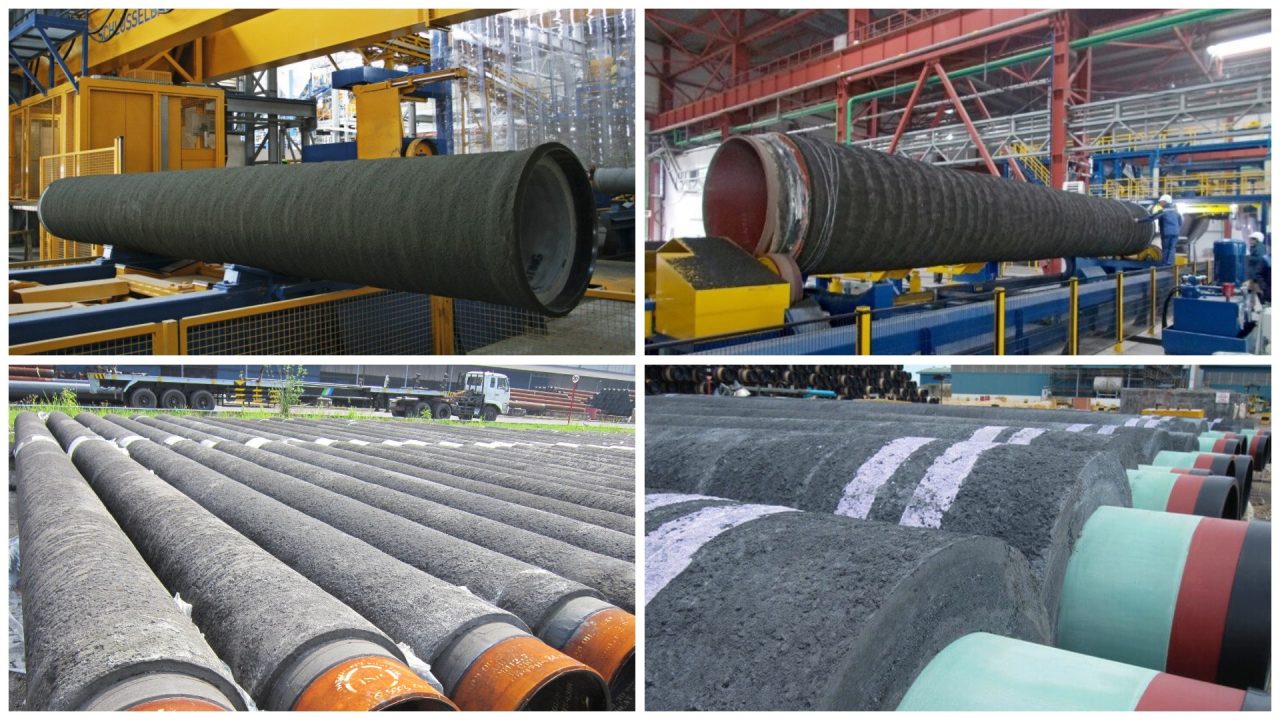
A concrete coated pipe, also known as a concrete weight coating pipe (CWC pipe), is a steel pipe that has been externally coated with concrete. The concrete coating consists of a mixture of cement, aggregates, reinforced steel mesh, and water. The purpose of this coating is to provide strong downward force protection or negative buoyancy for the pipelines. These pipes are commonly used in sub-sea (submarine) pipelines, as the concrete coating adds the necessary weight to withstand the pressure of seawater.

Anti-corrosion-construction.jpg

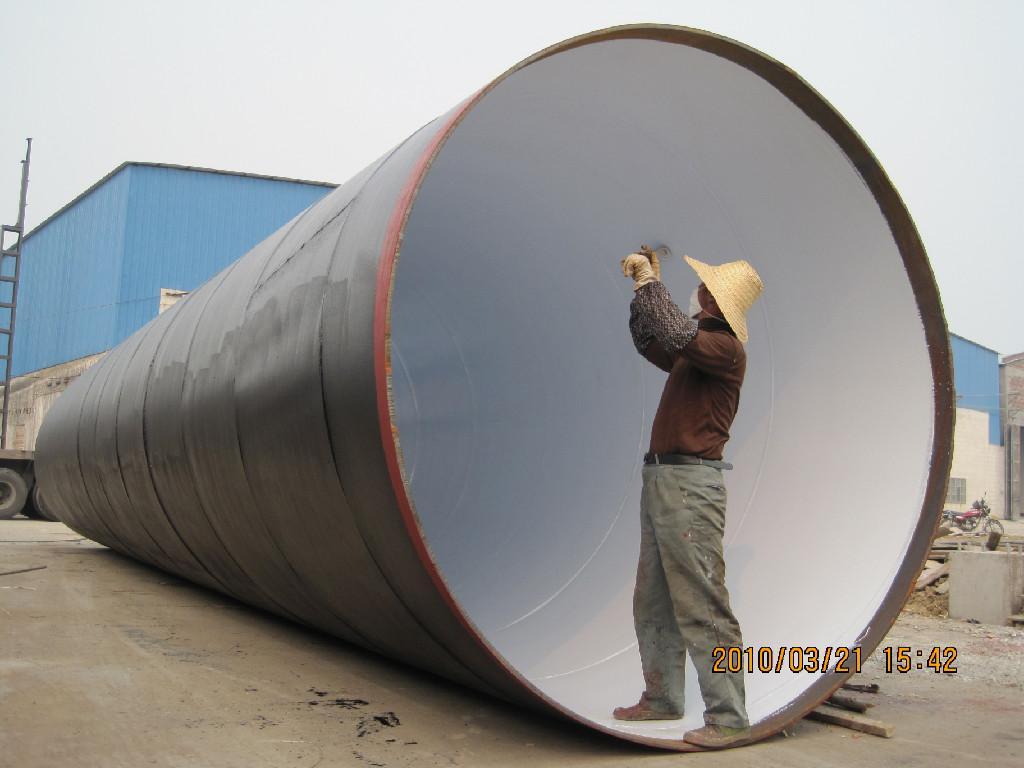
Corrosion prevention of pipes refers to measures to slow down or prevent corrosion and deterioration of pipes under the chemical or electrochemical action of the internal and external media or by the metabolic activities of microorganisms.

H46d5373a9bd5429b9b603f9d6fa10e47n-1280x960.jpg

EN10216-2 is specification made for seamless steel tubes for specified elevated temperature purposes as boiler tube, power plants, etc, it has following steel grades: P195GH, P235GH, P265GH, 16Mo3, 14MoV6-3, 13CrMo4-5, 10CrMo9-10, with non-alloy and alloy steel included.

ABTER STEEL

Headquarters

ABTER Steel prides itself in providing around the clock services to our customers.
+ 86-317-3736333

www.Lordtk.com

[email protected]


GET IN TOUCH

Follow our activity

In addition to our pipe & fittings stock, Cutting, Testing and Supplement Services, and to the above mentioned services, we also offer large/hard to find items in ….Flanges,Fittings,Tube / Pipe.


Related Posts
What is the difference between black stee pipe and galvanized steel pipe?
Wholesale Manufacturer Steel Iron Pre Hot DIP Galvanized Pipe for Greenhouse

Black Steel Pipe and Galvanized Steel Pipe are both types of steel pipes used in various applications, and their main difference lies in their coating and resistance to rust and corrosion.

What are the advantages of using a double-layer FBE coating system compared to a single-layer coating?

A hard, mechanically strong top coating for all fusion bonded epoxy pipeline corrosion protection coatings. It is applied to the base coating to form a tough outer layer that is resitant to gouge, impact, abrasion and penetration. abter steel is specifially designed to protect the primary corrosion coating from damage during pipeline directional drilling applications, bored, river crossing and installation in rough terrain.

steel pipe standard comparison table - JIS | ASTM | DIN | GB steel pipe
Wholesale Manufacturer Steel Iron Pre Hot DIP Galvanized Pipe for Greenhouse

Brand new Chinese GB Japanese JIS American ASTM German DIN steel pipe standard comparison table

Connecting Stainless Steel Pipe to Carbon Steel Pipe Fittings

In industrial and residential applications, it is frequently necessary to join different types of metals. These connections can be between stainless steel and carbon steel, two of the most commonly used materials in piping systems. This article will walk you through the process of connecting stainless steel pipe to carbon steel pipe fittings, the challenges involved, and how to overcome them.

Dimensions & Weight of Welded and Seamless Steel Pipe ASME B 36.10 / B 36.19

Based on the information provided, the ASME B 36.10 and B 36.19 standards define the dimensions and weight of welded and seamless steel pipes. These standards provide guidelines for the manufacturing and installation of steel pipes in various industries, including oil and gas, petrochemical, and power generation. ASME B 36.10 specifies the dimensions and weights of welded and seamless wrought steel pipes. It covers pipes ranging from NPS 1/8 (DN 6) through NPS 80 (DN 2000) and includes various wall thicknesses and schedules. The dimensions covered include outside diameter, wall thickness, and weight per unit length.

Differences Between Carbon Steel pipe and Black Steel pipe

Carbon steel pipe and black steel pipe are often used interchangeably, but there are some key differences between the two. Composition: Carbon Steel Pipe is made up of carbon as the main alloying element, along with other elements such as manganese, silicon, and sometimes copper. This composition gives carbon steel pipe its strength and durability. On the other hand, black steel pipe is a type of carbon steel pipe that has not undergone any additional surface treatment or coating. Surface Finish: The most apparent difference between carbon steel pipe and black steel pipe is the surface finish. Carbon steel pipe has a dark, iron oxide coating called mill scale, which forms during the manufacturing process. This mill scale gives carbon steel pipe its black appearance. In contrast, black steel pipe has a plain, uncoated surface. Corrosion Resistance: Carbon steel pipe is susceptible to corrosion due to its iron content. However, the mill scale coating on carbon steel pipe provides some level of protection against corrosion, especially in indoor or dry environments. On the other hand, black steel pipe is more prone to corrosion since it lacks any protective coating. Therefore, black steel pipe is not recommended for use in areas exposed to moisture or corrosive elements.