
Explore the comprehensive guide to API 5L/5CT welded HDPE pipe with flange, covering specifications, materials, advantages, and applications in the oil and gas industry.
PE Coating Pipe » Stainless Steel & Alloy Steel Pipes | 2PE 3PE coated pipe | Pipe Fittings - Pipeline Technology R&D Factory
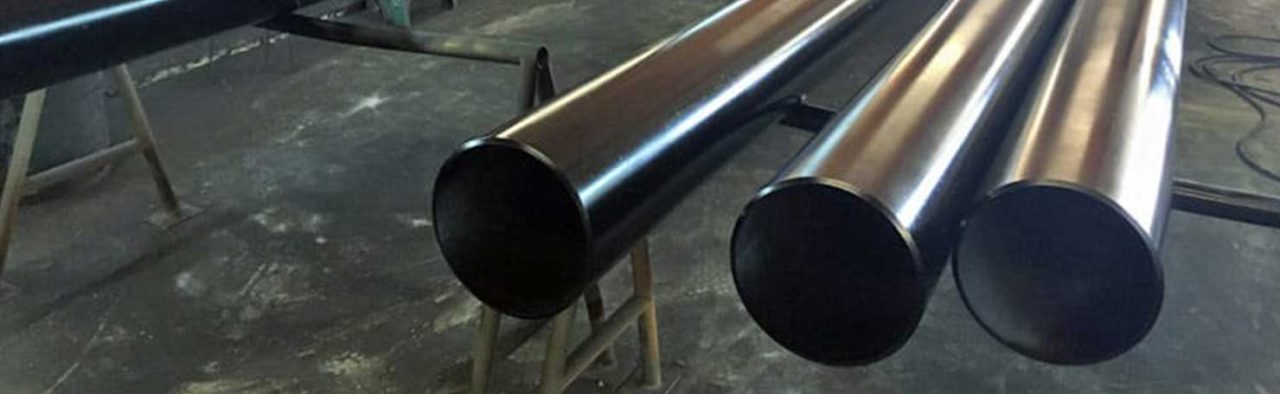
Today’s coal tar tape is an integrated, factory-made product that is easy to apply, either inside a pipe manufacturing facility or at a project site where pipes are being commissioned. It comprises a five-layer anatomy where a high-tensile glass fiber fabric is sandwiched with high-quality coal tar modulate, designed with a thicker overlay towards the pipe substrate side for heat fusing on primed steel substrate.
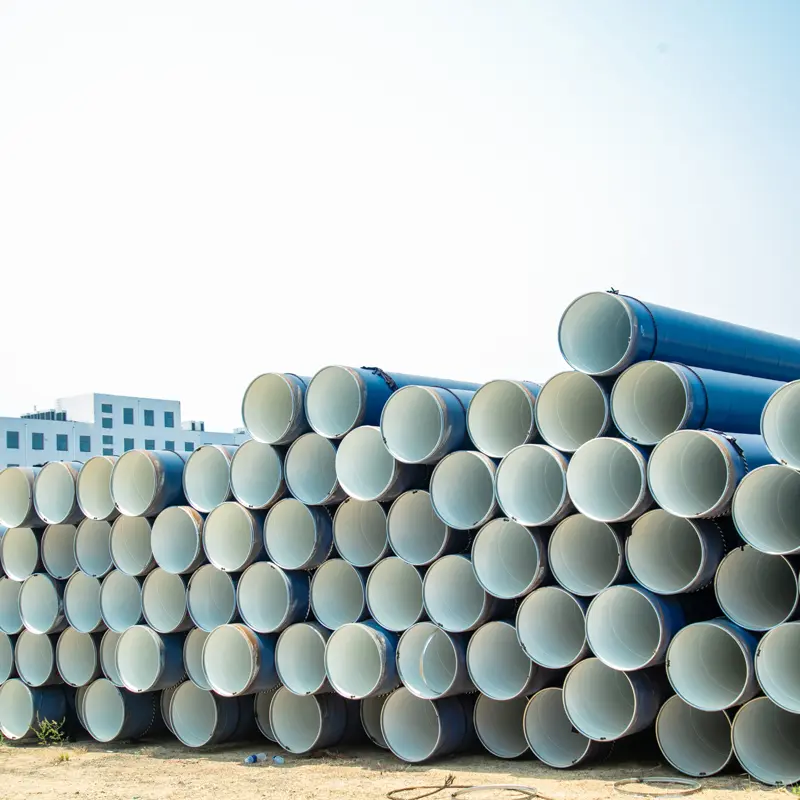
3LPE coated SSAW steel pipes offer a robust solution for transporting fluids in harsh environments, providing excellent protection against corrosion and mechanical damage. Their durability, flexibility, and cost-effectiveness make them suitable for a wide range of applications, from oil and gas pipelines to water transportation and infrastructure projects. For detailed specifications, technical support, or to place an order, please contact the manufacturer or refer to the relevant industry standards.
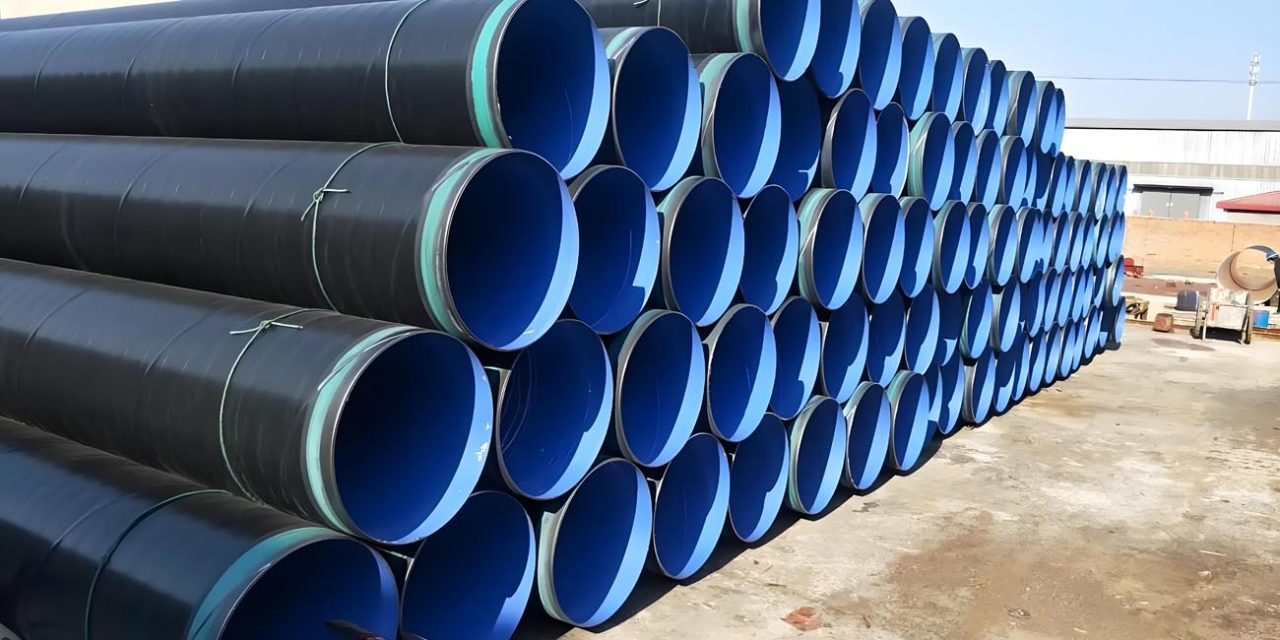
Conclusion 3PE anti-corrosion steel pipes are an excellent choice for applications requiring long-lasting protection against corrosion and mechanical damage. Their unique three-layer coating system ensures superior performance in demanding environments, making them a preferred solution for oil and gas, water supply, chemical processing, and other industrial applications. By investing in 3PE-coated steel pipes, industries can achieve enhanced durability, reduced maintenance costs, and extended service life for their critical infrastructure.
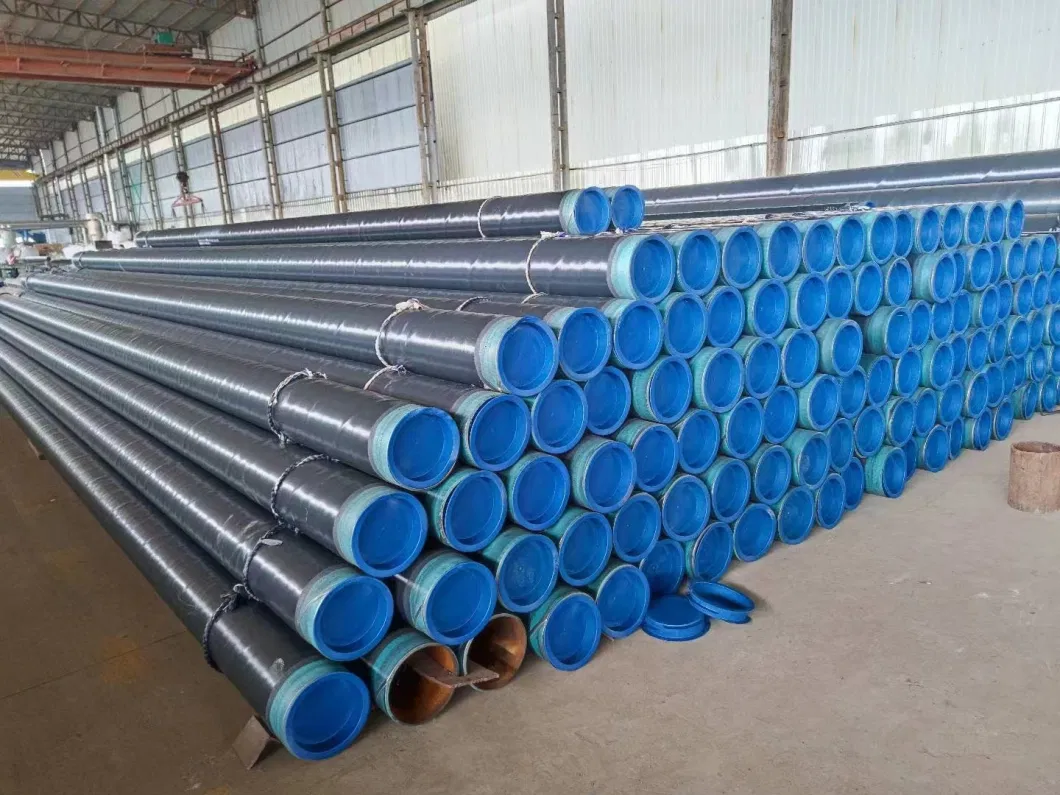
AWWA C213, Fusion-Bonded Epoxy Coatings and Linings for Steel Water Pipe and Fittings
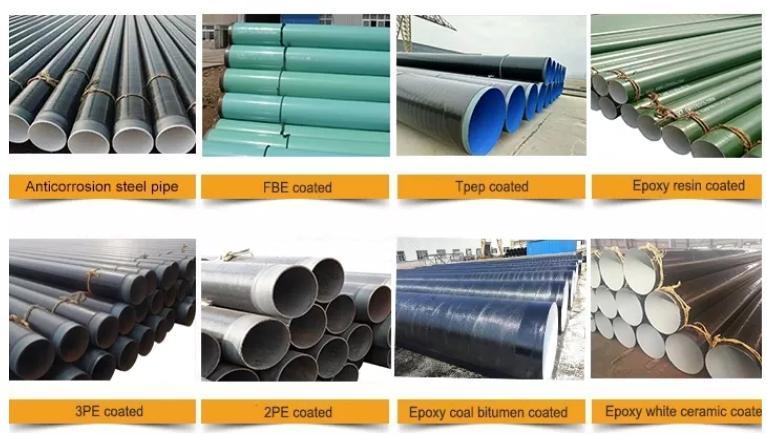
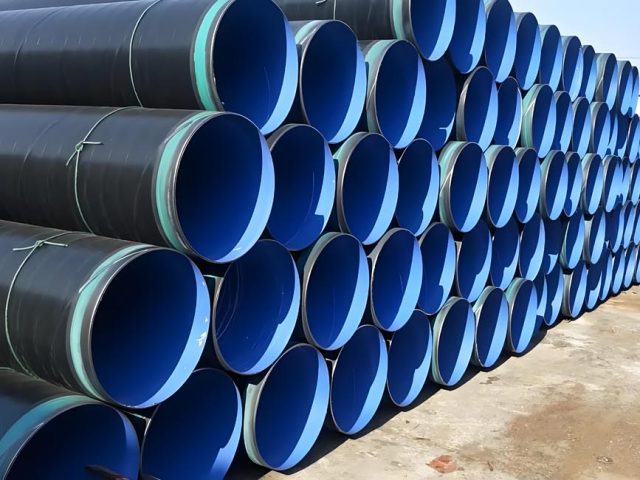
3PE, which stands for "Three-Layer Polyethylene," is a common coating used to protect steel pipes from corrosion and extend their service life, especially in applications where the pipes are exposed to harsh environments, such as in the oil and gas industry
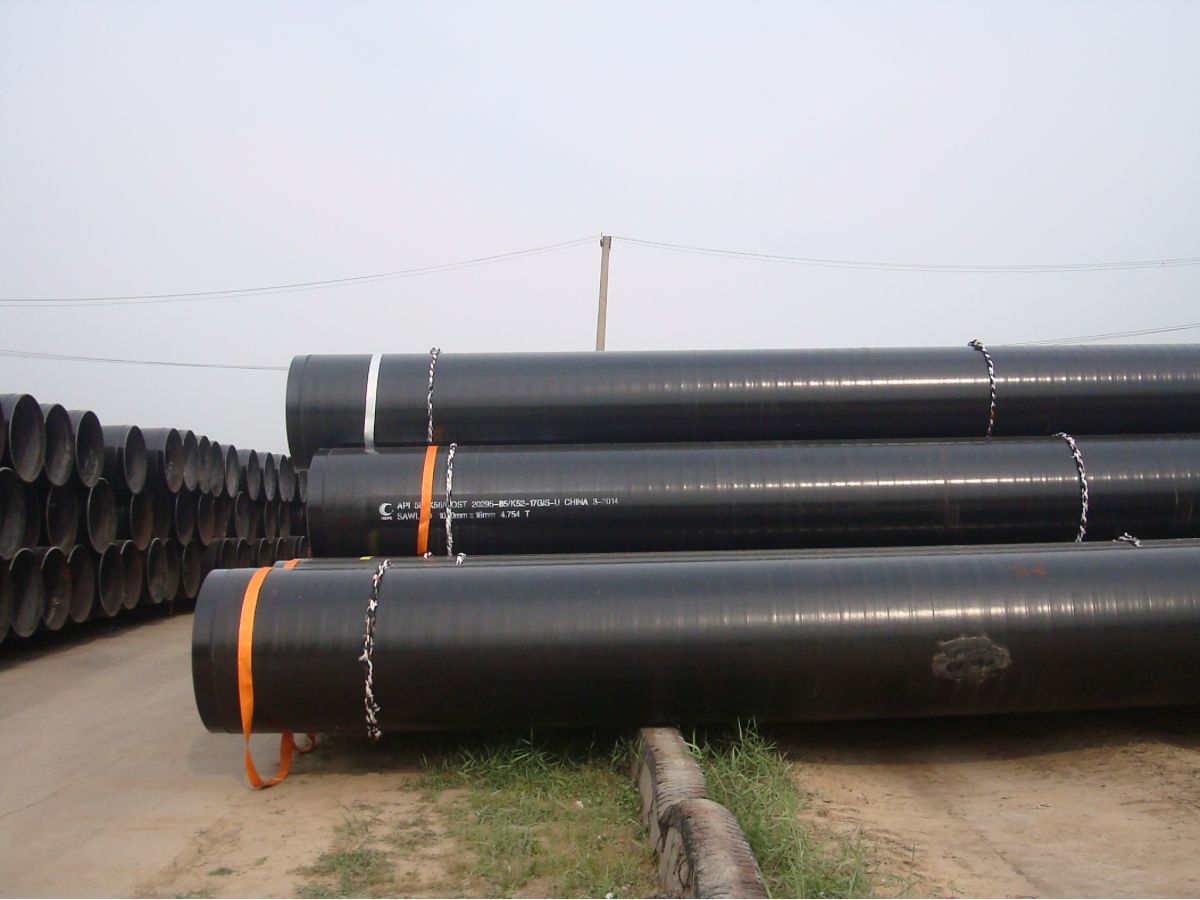
Electric Fusion Welding (EFW steel pipe) refers to an electron beam welding, the use of high-speed movement of the electron beam directed impact kinetic energy is converted to heat the workpiece so that the workpiece leaving the melt, the formation of the weld. It is mainly used for welding dissimilar steel welding sheet or which high power density, metal weldment can rapidly heated to high temperatures, which can melt any refractory metals and alloys. Deep penetration welding fast, heat-affected zone is extremely small, so small performance impact on the joints, the joint almost no distortion. But it has a requirement on a special welding room because welding using X-rays.
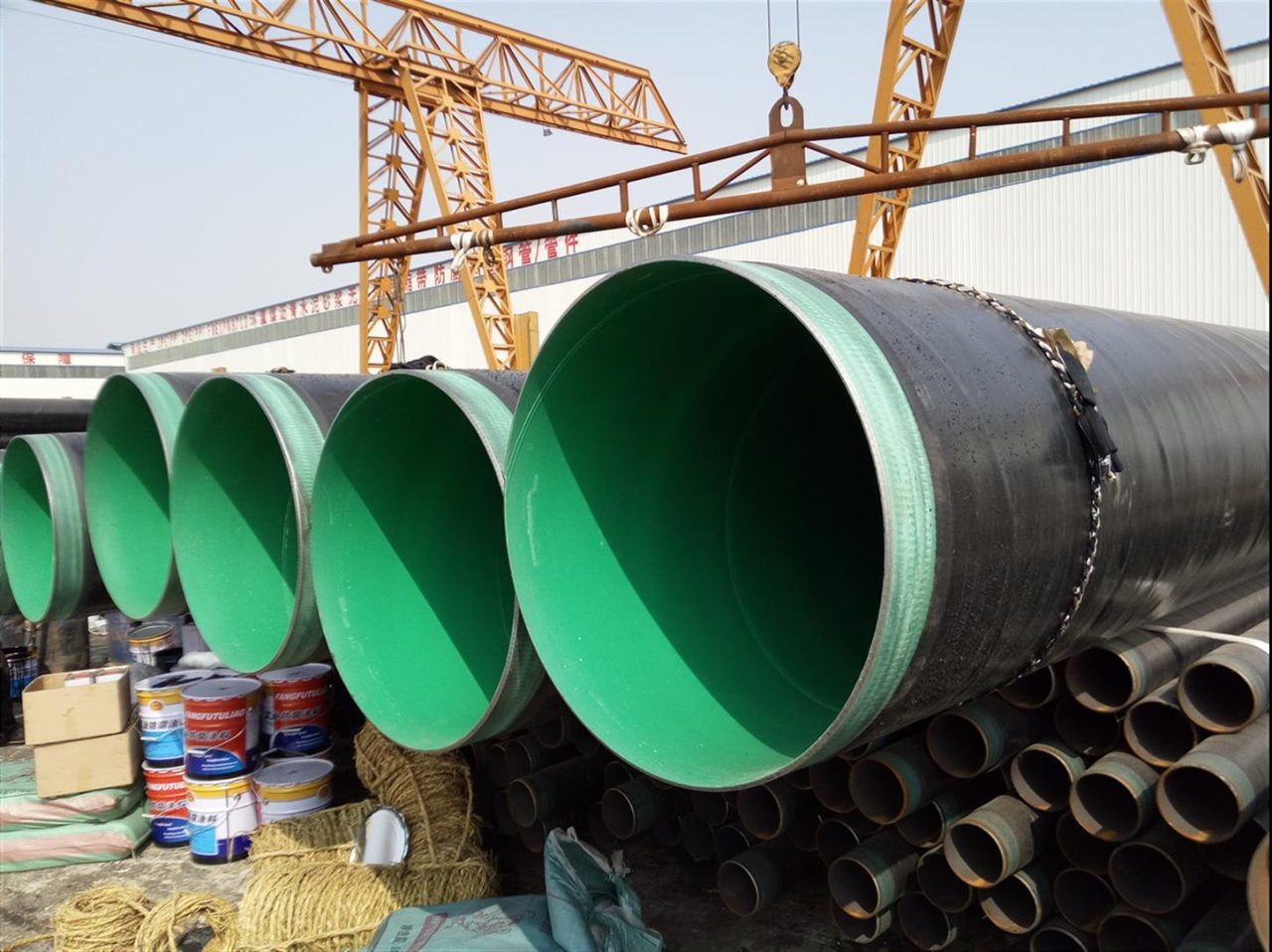
Pipe Type: FBE (Fusion Bond Epoxy) Coated Pipe, Epoxy Coated Carbon Steel Pipe,Single-layer Anti-corrosion Epoxy Powder Pipe,Double Layer FBE Coating Pipes Application: Used for natural gas, petroleum, water & sewage, and pipe systems
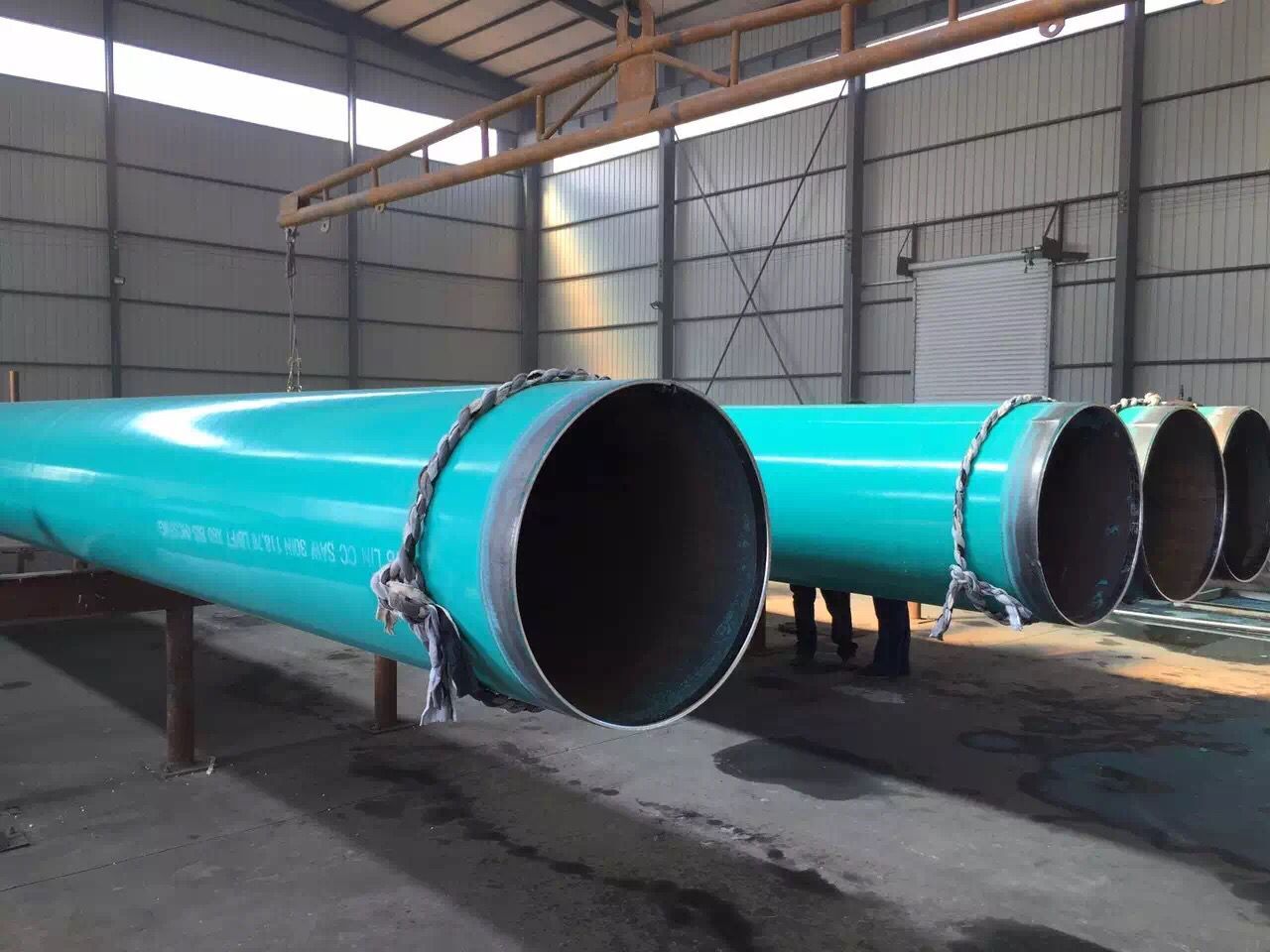
FBE coating steel pipe is fusion bonded epoxy coating steel pipe.It is a kind of external heat resin used for pipes.With a form of dry powder at thickness 400-600 microns on to the heated surface of pipe.Once the FBE coated on the pipe surface,the FBE film provides an extremely hard surface with great adhesion to the surface of pipe.The FBE layer in a even form and have good resistance to the chemical reaction.
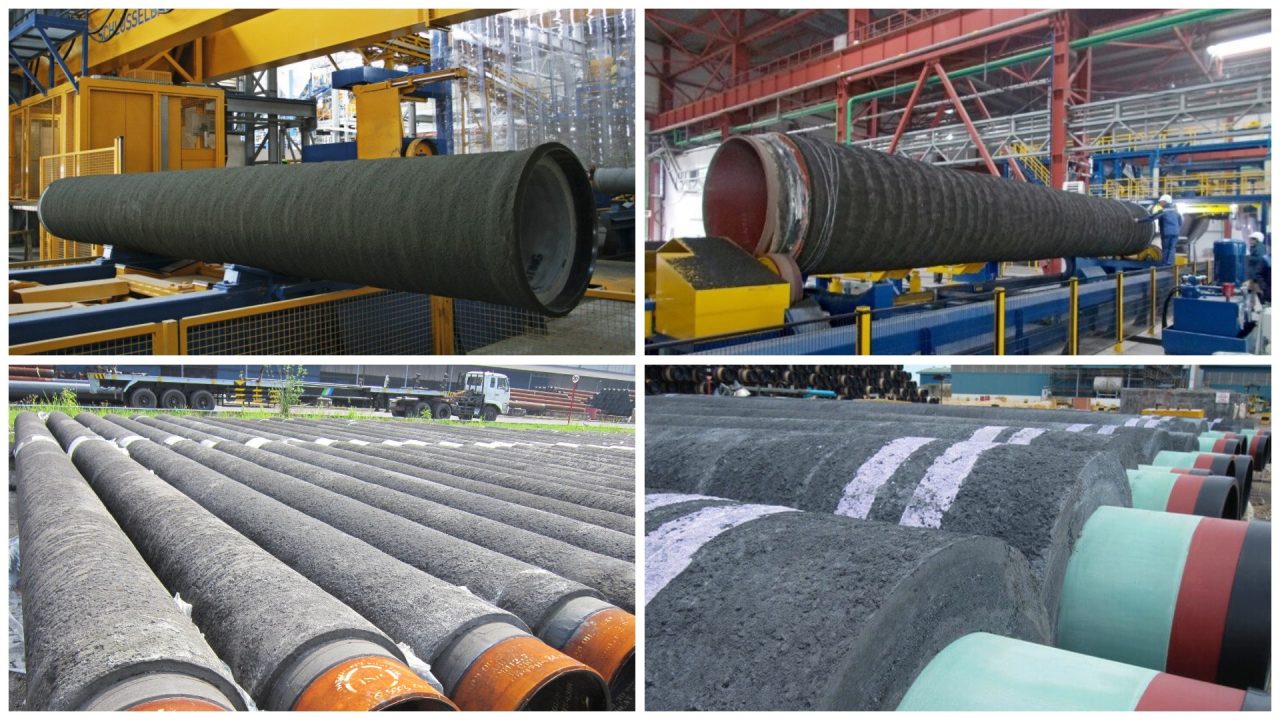
A concrete coated pipe, also known as a concrete weight coating pipe (CWC pipe), is a steel pipe that has been externally coated with concrete. The concrete coating consists of a mixture of cement, aggregates, reinforced steel mesh, and water. The purpose of this coating is to provide strong downward force protection or negative buoyancy for the pipelines. These pipes are commonly used in sub-sea (submarine) pipelines, as the concrete coating adds the necessary weight to withstand the pressure of seawater.
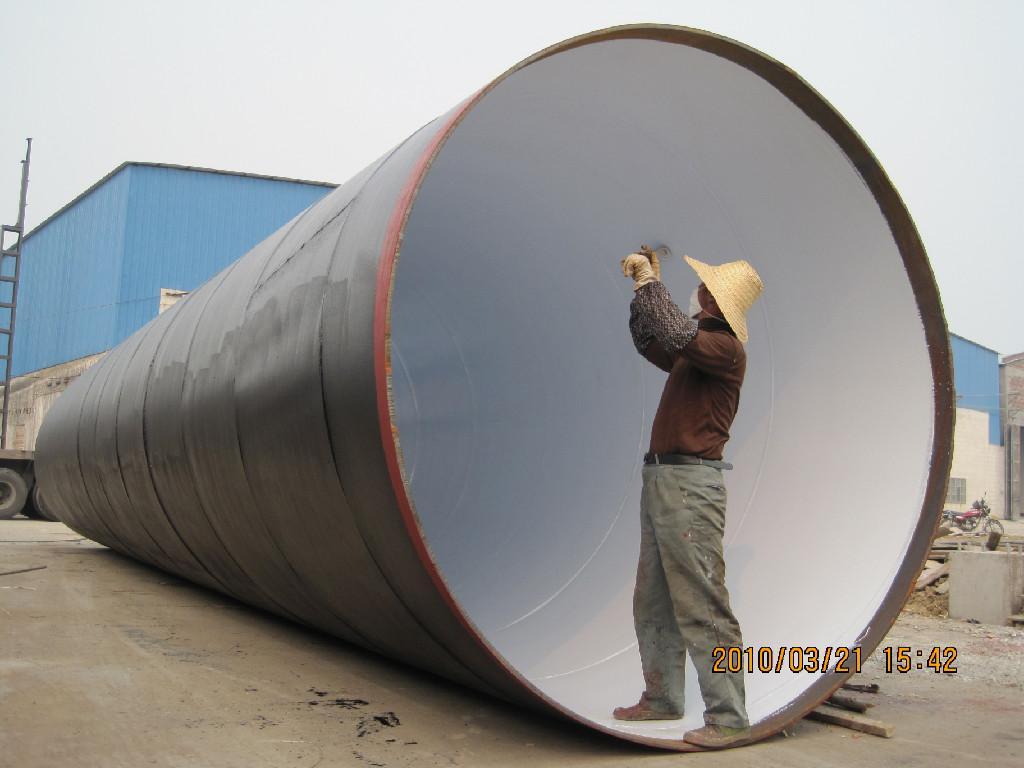
Corrosion prevention of pipes refers to measures to slow down or prevent corrosion and deterioration of pipes under the chemical or electrochemical action of the internal and external media or by the metabolic activities of microorganisms.
ABTER STEEL
Headquarters
ABTER Steel prides itself in providing around the clock services to our customers.
LOCATIONS
We are everywhere

Related Posts
Share the inspiration

Lobortis nisl ut aliquip ex ea commodo consequat. Eodem modo typi, qui nunc nobis videntur parum clari, fiant sollemnes. Phasellus magna. In hac habitasse platea dictumst. Curabitur at lacus ac velit ornare lobortis. Curabitur a felis in nunc fringilla tristique.
2PE/3PE Anticorrosive Coated Pipe
Corrosion prevention of pipes refers to measures to slow down or prevent corrosion and deterioration of pipes under the chemical or electrochemical action of the internal and external media or by the metabolic activities of microorganisms.
Concrete Weight Coating Pipe | CWC | Concrete Coated Pipe
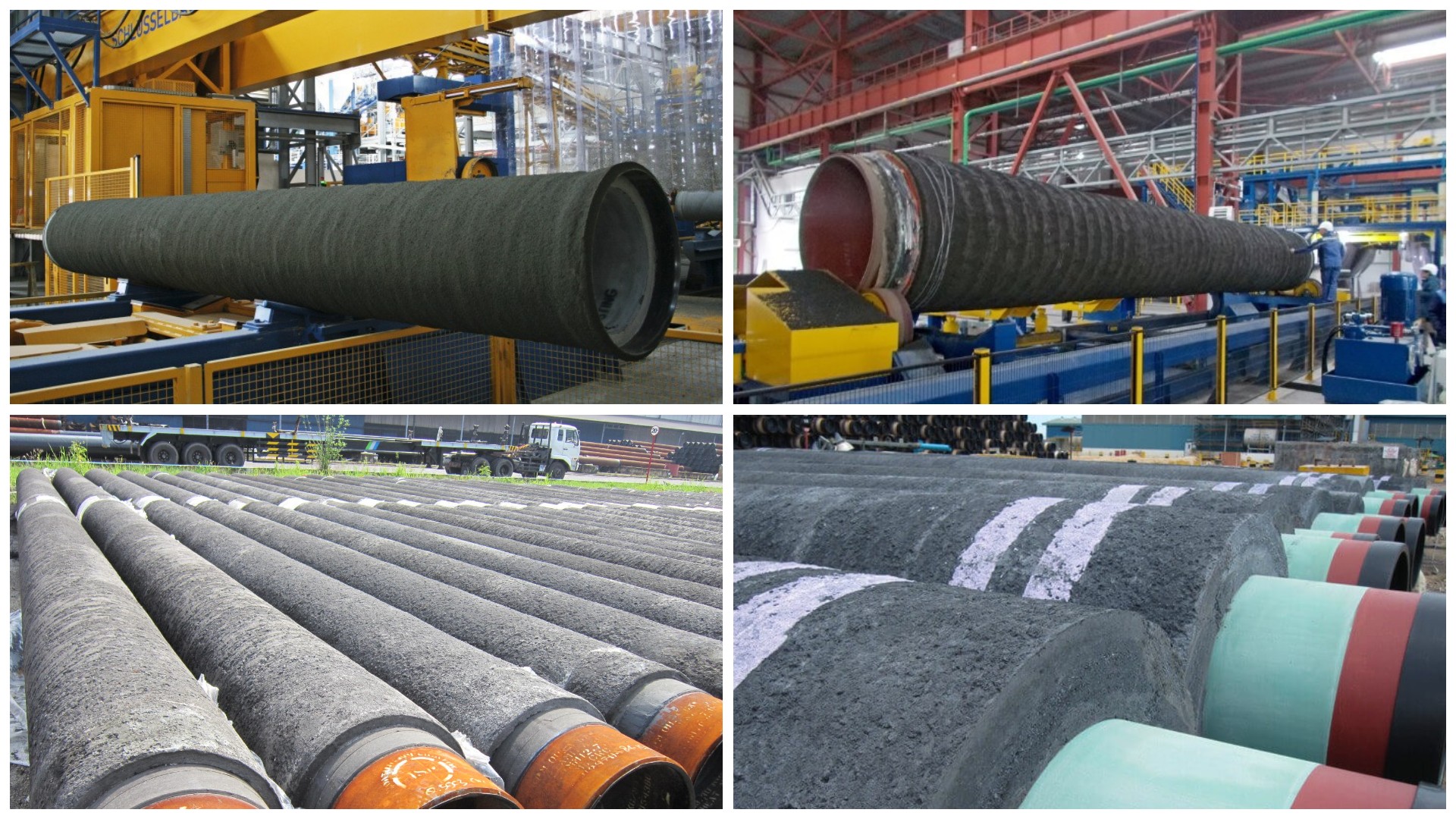
A concrete coated pipe, also known as a concrete weight coating pipe (CWC pipe), is a steel pipe that has been externally coated with concrete. The concrete coating consists of a mixture of cement, aggregates, reinforced steel mesh, and water. The purpose of this coating is to provide strong downward force protection or negative buoyancy for the pipelines. These pipes are commonly used in sub-sea (submarine) pipelines, as the concrete coating adds the necessary weight to withstand the pressure of seawater.
FBE Coating Pipe | Fusion Bonded Epoxy Coating
FBE coating steel pipe is fusion bonded epoxy coating steel pipe.It is a kind of external heat resin used for pipes.With a form of dry powder at thickness 400-600 microns on to the heated surface of pipe.Once the FBE coated on the pipe surface,the FBE film provides an extremely hard surface with great adhesion to the surface of pipe.The FBE layer in a even form and have good resistance to the chemical reaction.
FBE Coated Pipe | Epoxy Coated Steel Pipe | Anti-corrosion Epoxy Powder Pipe | Double Layer FBE Coating Pipe
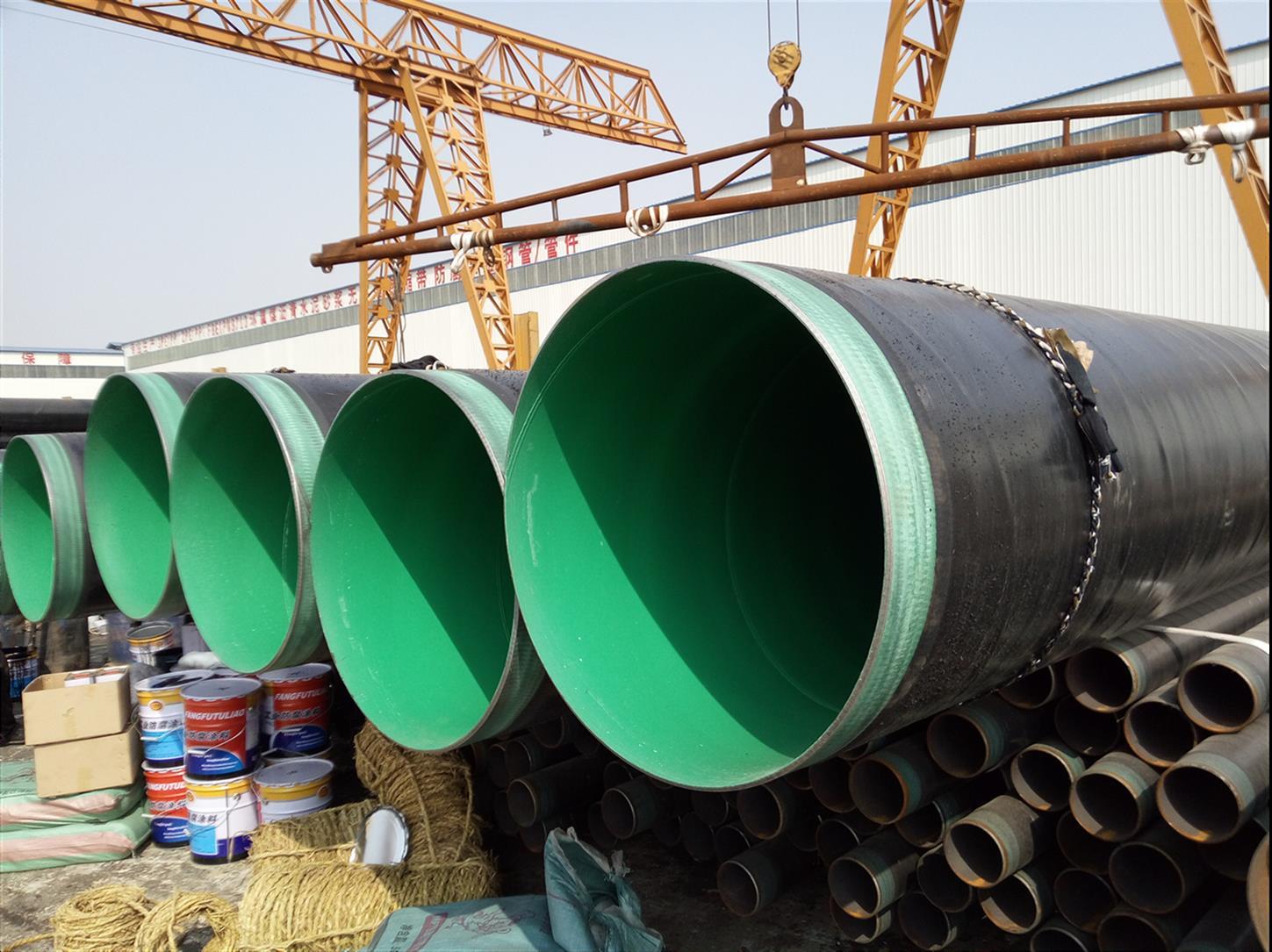
Pipe Type: FBE (Fusion Bond Epoxy) Coated Pipe, Epoxy Coated Carbon Steel Pipe,Single-layer Anti-corrosion Epoxy Powder Pipe,Double Layer FBE Coating Pipes Application: Used for natural gas, petroleum, water & sewage, and pipe systems
ERW VS EFW Steel Pipe | EFW Coating Pipe
Electric Fusion Welding (EFW steel pipe) refers to an electron beam welding, the use of high-speed movement of the electron beam directed impact kinetic energy is converted to heat the workpiece so that the workpiece leaving the melt, the formation of the weld. It is mainly used for welding dissimilar steel welding sheet or which high power density, metal weldment can rapidly heated to high temperatures, which can melt any refractory metals and alloys. Deep penetration welding fast, heat-affected zone is extremely small, so small performance impact on the joints, the joint almost no distortion. But it has a requirement on a special welding room because welding using X-rays.